When people talk about dogs, they often picture something big enough to be noticed. A dog that takes up space, draws attention, or fits neatly into a well-known breed category. But small dogs have always been here too — living quietly at our feet, curled up on couches, tucked under café tables, and carried through daily life in a hundred unseen ways.
Toy dogs exist everywhere, yet they’re surprisingly easy to overlook.
At Toy Dog Mag, we believe that size should never determine significance. And that a dog’s background — whether purebred, mixed, rescued, or completely unknown — should never define how welcome they are in the world, or in this space.
This magazine exists for all toy dogs. Not just the ones with paperwork.
Toy Dogs Are More Than Their Breed Label
The word toy often creates the wrong impression. It can sound trivial, decorative, or novelty-driven. But anyone who has shared their life with a small dog knows that there is nothing superficial about them.
Toy dogs have complex personalities, strong emotional bonds, and a presence that far outweighs their physical size. They can be sensitive, spirited, stubborn, deeply loyal, and quietly brave. They experience fear, joy, stress, excitement, and affection just as intensely as any larger dog — often more so.
Yet much of the information available about small dogs online revolves around breed categories. Lists of “top toy breeds.” Comparisons between pedigrees. Designer mixes. Genetic traits.
All of that can be useful. But it’s not the full picture.
Because the reality is this: a huge number of toy dogs are not purebred at all.
The Reality of Mixed and Rescue Toy Dogs
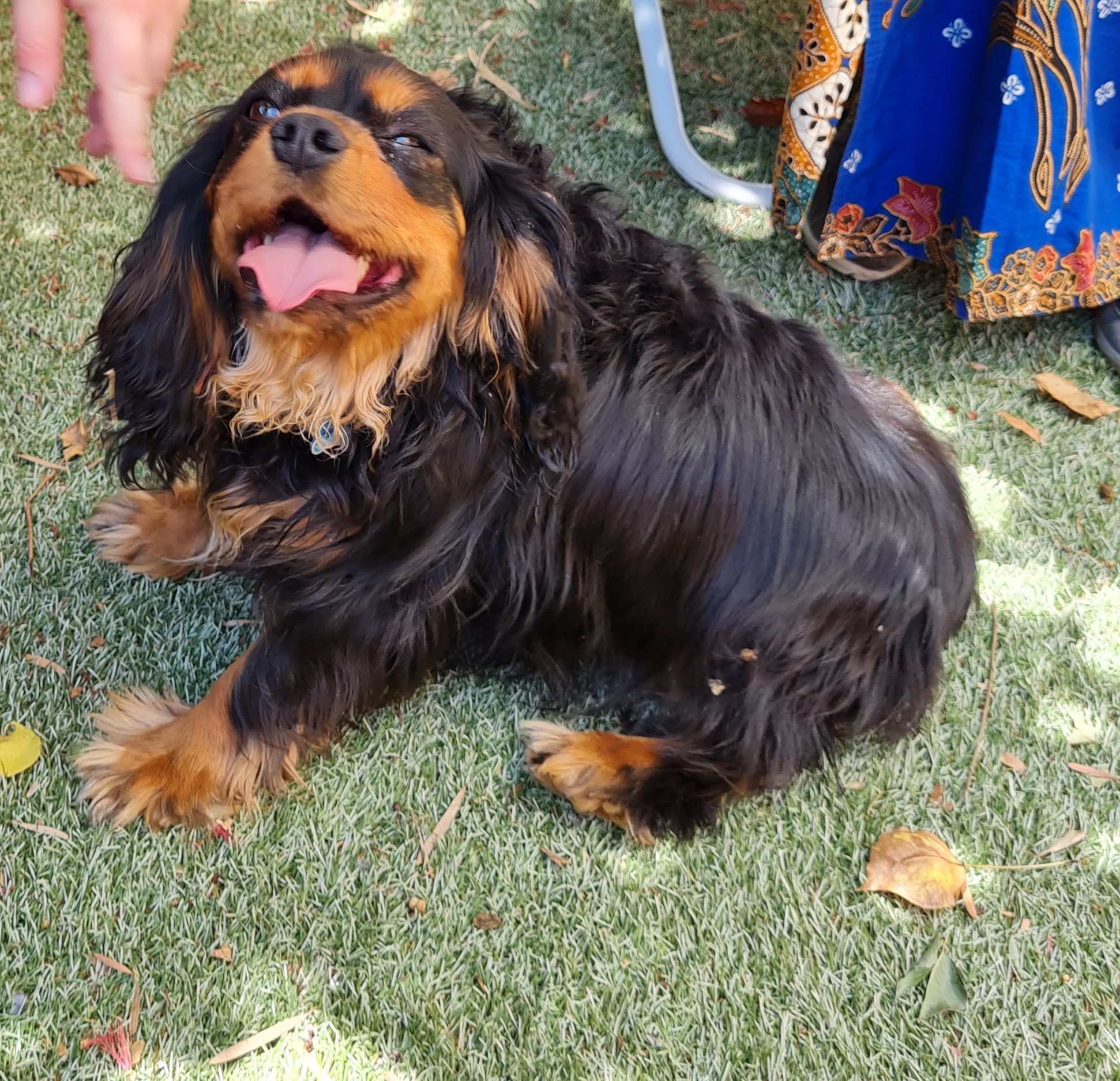
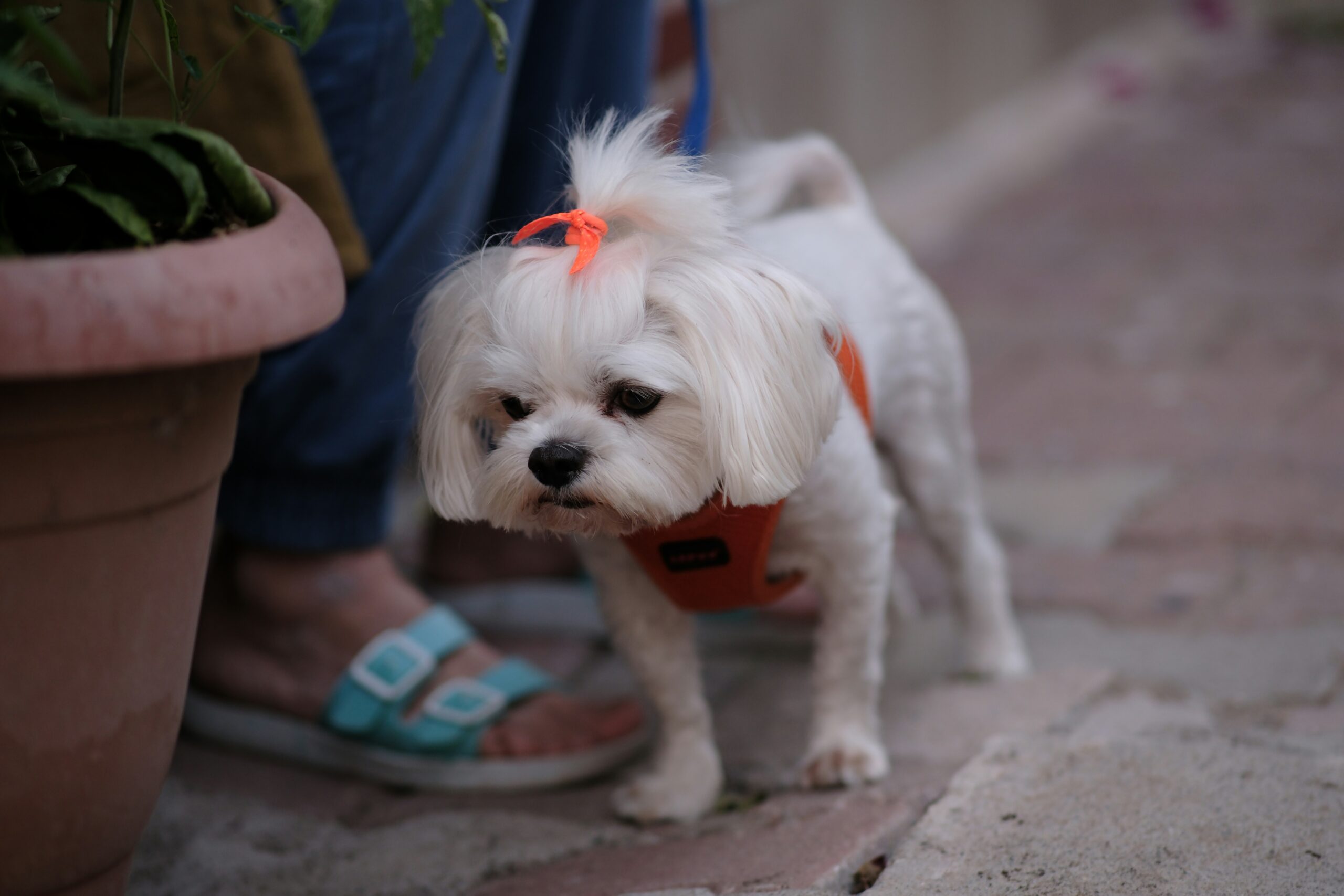
For every Chihuahua with a lineage chart, there is a small dog whose history is unknown. A rescue. A shelter pup. A street dog. A “we think he’s part this, part that” companion who arrived without labels, only personality.
Many toy dogs come into people’s lives by chance rather than choice. They’re adopted from local shelters, fostered through rescue groups, rehomed from neighbours, or found wandering. Their backgrounds may never be fully understood, and their genetic makeup may remain a mystery.
And yet, they become deeply loved members of families.
These dogs are not exceptions. They are the norm.
The small dog world is filled with mixed breeds, accidental litters, long-term shelter residents, and animals whose stories began in difficult places. They deserve the same respect, care, attention, and visibility as any show-ring champion.
Toy Dog Mag exists to reflect that reality.
Why Breed Isn’t the Point
Knowing a dog’s breed mix can be helpful. It may offer insight into energy levels, health risks, grooming needs, or behavioural tendencies. DNA tests can be interesting and sometimes informative.
But identity doesn’t come from a label.
A toy dog’s worth is not measured by how closely they resemble a breed standard. It’s measured by how they live, how they connect, and how they are treated.
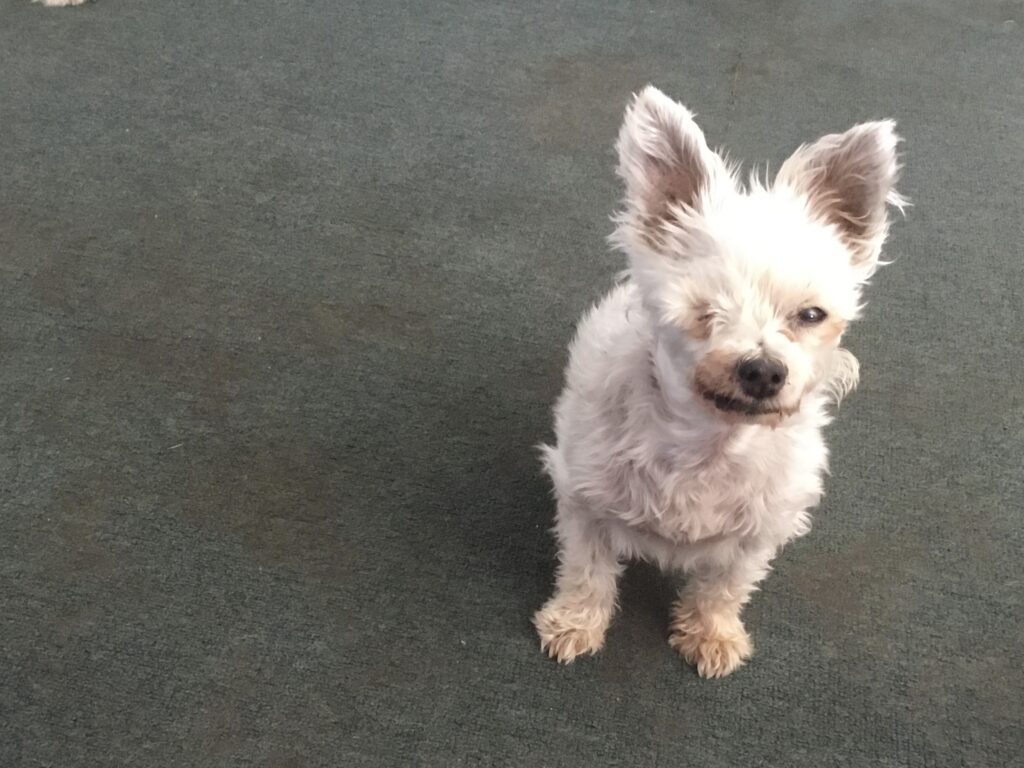
Some of the most extraordinary small dogs don’t fit neatly into any category. They may have the ears of one breed, the coat of another, and the personality of something entirely their own. They may not match anything on a chart, and that’s exactly what makes them unique.
This magazine isn’t here to rank dogs. It’s here to understand them.
Small Dogs, Big Vulnerability
In a world that can be a hard place for animals of all kinds, small dogs often face an extra layer of risk.
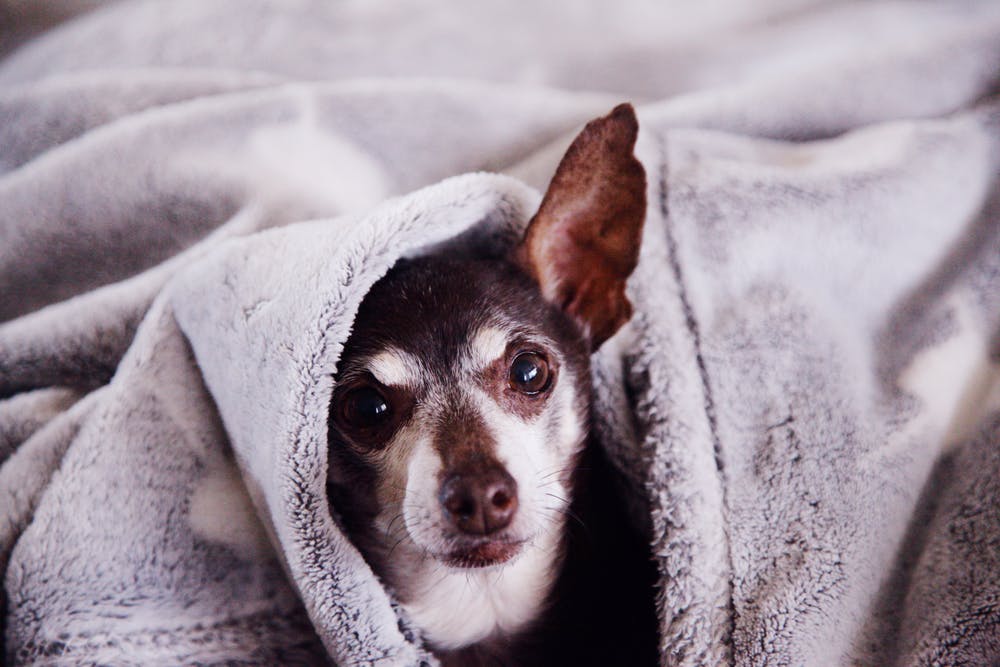
Their size makes them physically vulnerable. Easier to injure. Easier to overlook. Easier to dismiss. They are more likely to be underestimated, mishandled, ignored in public spaces, or treated as accessories rather than living beings with needs and boundaries.
They can be more easily displaced. More likely to end up in shelters. More likely to be surrendered when circumstances change.
And yet, they are also some of the most adaptable and resilient companions. They learn new environments quickly. They form strong attachments. They adjust to apartments, shared spaces, travel, and lifestyle changes with remarkable flexibility.
Toy dogs don’t need to be protected by status. They need to be supported by understanding.
What Toy Dog Mag Stands For
Toy Dog Mag is a space for:
- purebred toy dogs
- mixed breed small dogs
- rescue dogs
- foster dogs
- dogs with unknown histories
- dogs with complicated pasts
- dogs with simple, quiet lives
If your dog is small enough to be carried, curled into a lap, or comfortably live in close human spaces — they belong here.
We don’t believe in gatekeeping dog ownership. We don’t believe in ranking worth by breed. We don’t believe that love requires documentation.
We believe in practical care, emotional wellbeing, respectful training, realistic expectations, and celebrating the everyday lives of small dogs as they truly are.
Not as trends. Not as products. Not as status symbols.
Just as dogs.
A Community, Not a Category
Toy Dog Mag isn’t about creating another list of “best” breeds or chasing aesthetic ideals. It’s about building a shared space for people who love small dogs in all their diversity.
It’s for the rescue owner trying to understand a shy new companion.
The first-time dog guardian learning what “toy dog energy” really means.
The long-term small dog lover who knows that no two are ever the same.
The person who didn’t plan on having a dog at all — but ended up with one anyway.
This magazine exists to reflect real lives, not perfect ones.
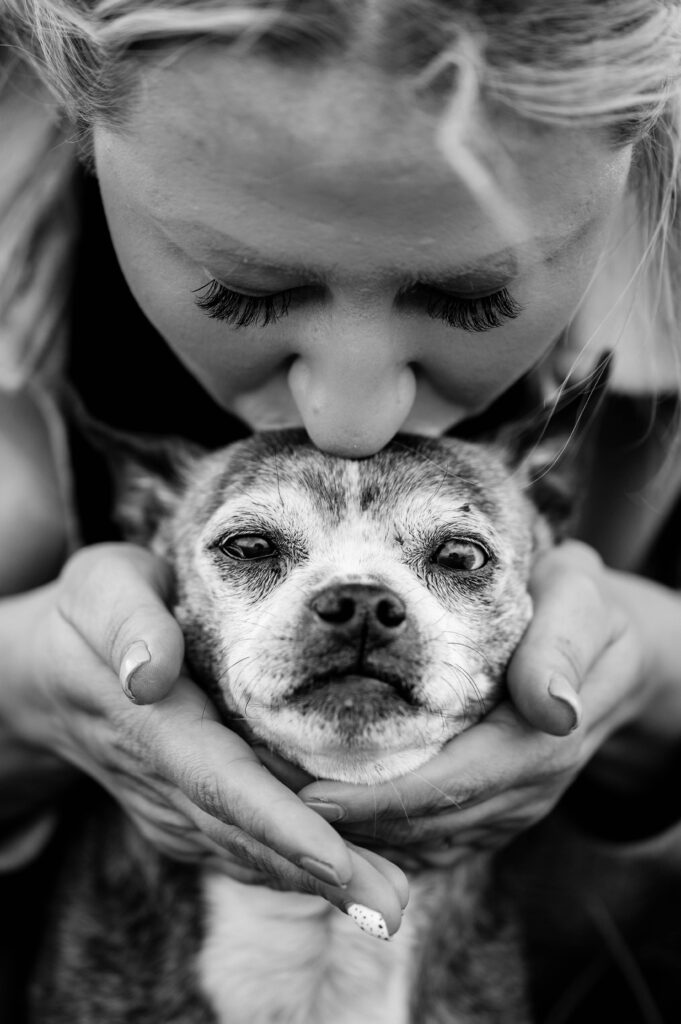
You Belong Here Too
If you love a small dog — any small dog — this space is for you.
Whether your companion came with papers, came from a shelter, or came into your life completely unexpectedly, you are part of this community.
Toy Dog Mag is here to learn, to share, to listen, and to grow alongside the people and dogs who make up the small dog world.
Not just the ones who fit a label.
But all of them.