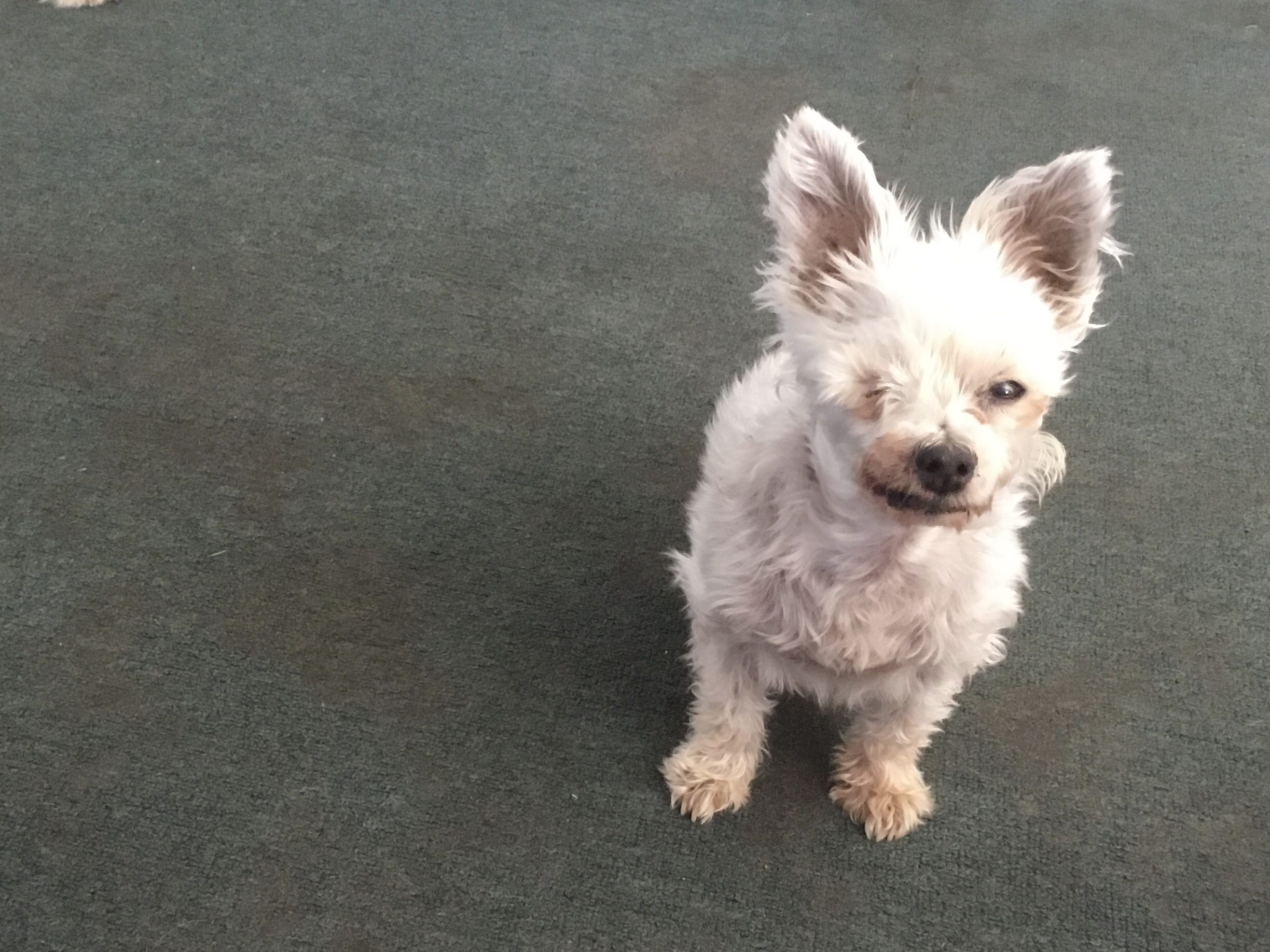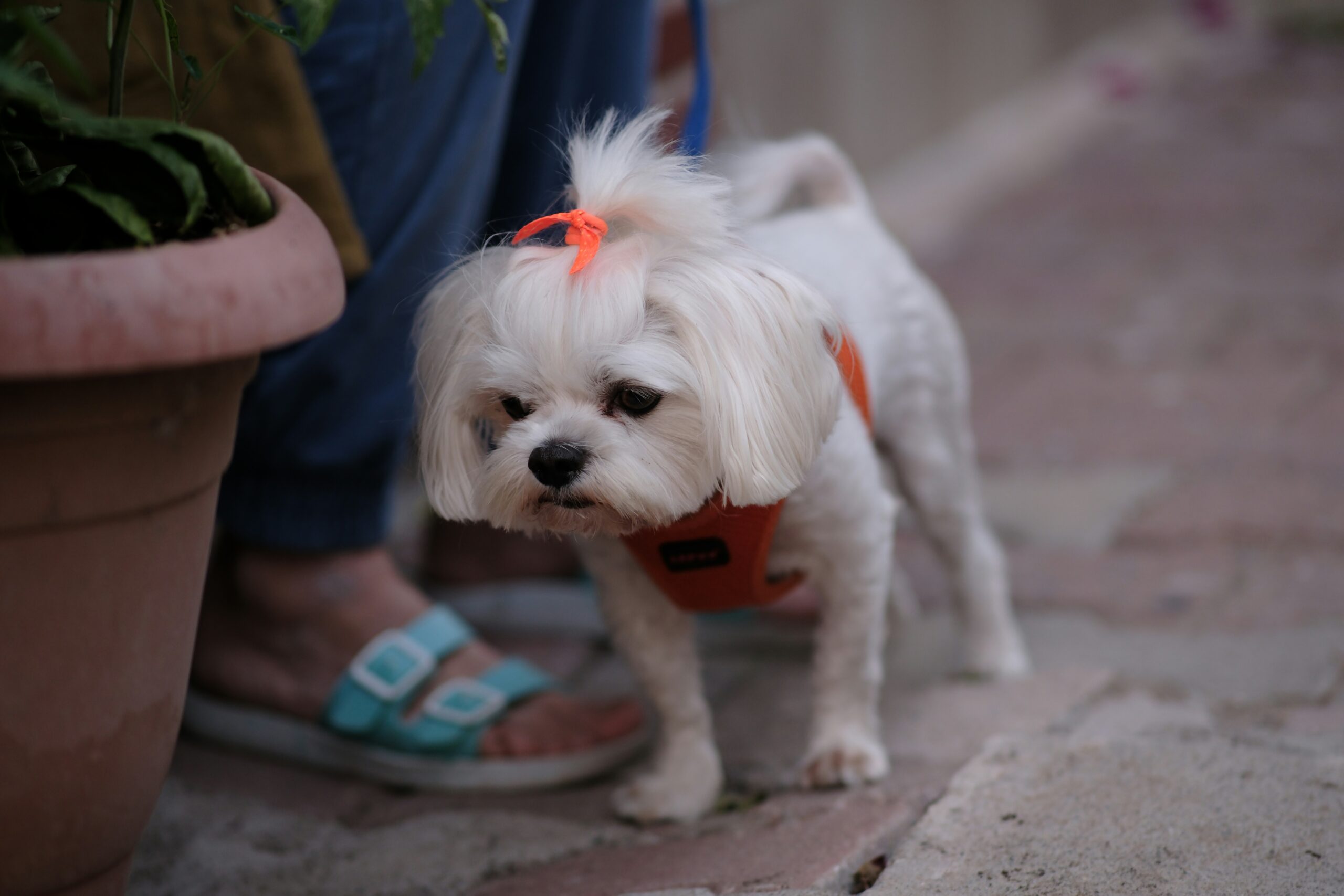
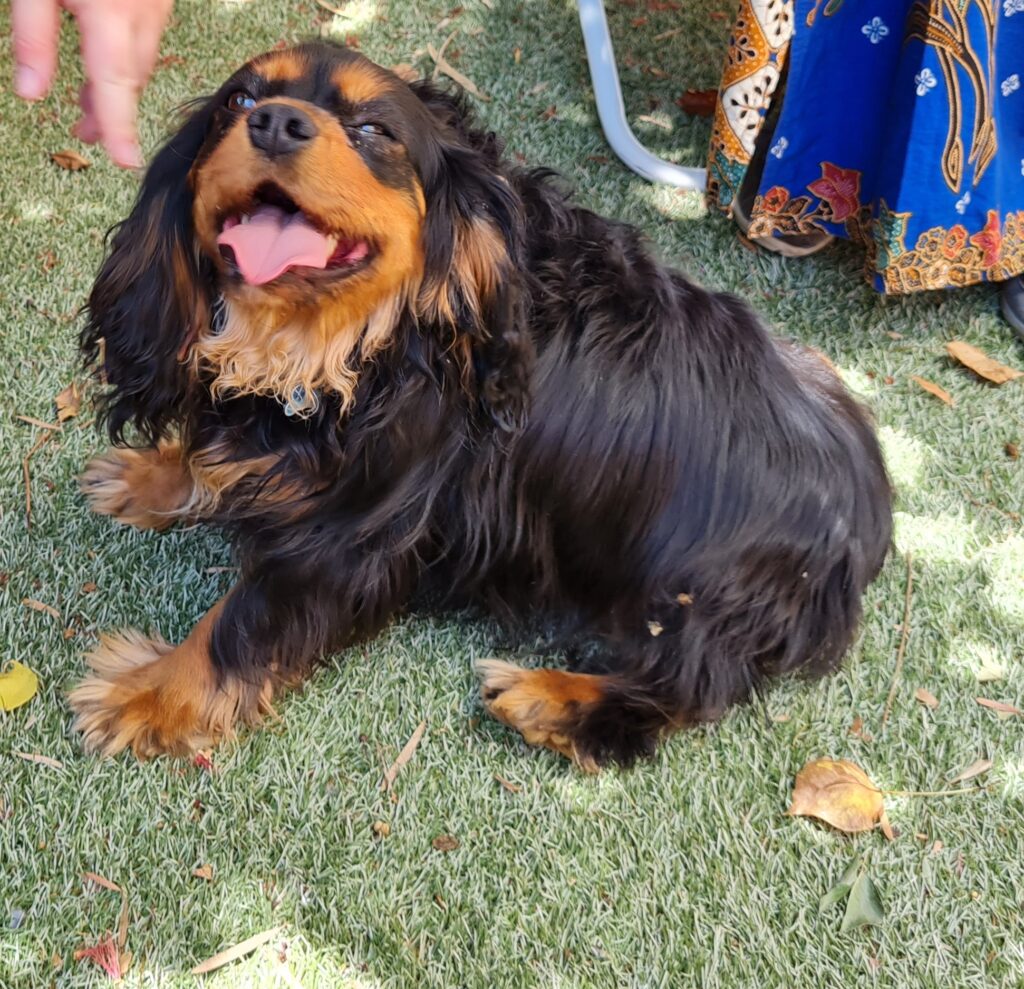
The term toy dog often brings up very specific images. Tiny purebred dogs with big names. Perfect coats. Carefully chosen accessories. A sense that “toy” is a category reserved for certain breeds and certain lifestyles.
But in real life, the meaning of toy dog is much simpler — and much more inclusive.
At its core, a toy dog is simply a small dog. One whose size allows them to live closely with humans, adapt easily to shared spaces, and take up very little physical room in the world. The label has far more to do with scale than pedigree.
And that distinction matters.
Toy Dogs Are Defined by Their Size
Toy dogs are usually dogs that weigh under 15 pounds and can be comfortably carried, lifted, or live entirely within human-sized environments. They fit naturally into apartments, travel easily, and often prefer close physical proximity to their people.
This physical reality shapes everything about their lives:
- how they move through the world
- how they experience risk and safety
- how they interact with other dogs
- how they rely on humans for protection
Their size isn’t just a trait — it’s their context.
A toy dog’s needs, vulnerabilities, and strengths all emerge from being small in a world built for larger bodies.
Where the “Toy Group” Comes From
Many kennel clubs and breed organizations use the term toy as an official category. In those systems, certain breeds are grouped together because of shared size and companion-focused traits.
This is where names like Chihuahua, Maltese, Pomeranian, Toy Poodle, and Yorkshire Terrier often appear.
These classifications can be helpful for:
- understanding general temperament
- anticipating health considerations
- learning grooming or training patterns
But they were never designed to reflect the full reality of how small dogs actually live.
They describe breeds — not lives.
Most Toy Dogs Aren’t Purebred
Outside of official registries, the majority of toy dogs in the real world don’t belong to a single breed category at all.
They’re mixed breeds. Rescue dogs. Shelter dogs. Dogs with unknown backgrounds. Dogs whose genetics may never be fully clear — and often don’t need to be.
Some may have a bit of Chihuahua in them. Others might carry traits from terriers, spaniels, poodles, or breeds that aren’t immediately obvious. Many arrive without labels, and build their identity through daily life rather than lineage.
They are still toy dogs.
Their size still shapes their world. Their experiences still reflect the same small-dog realities.
Breed does not determine belonging.
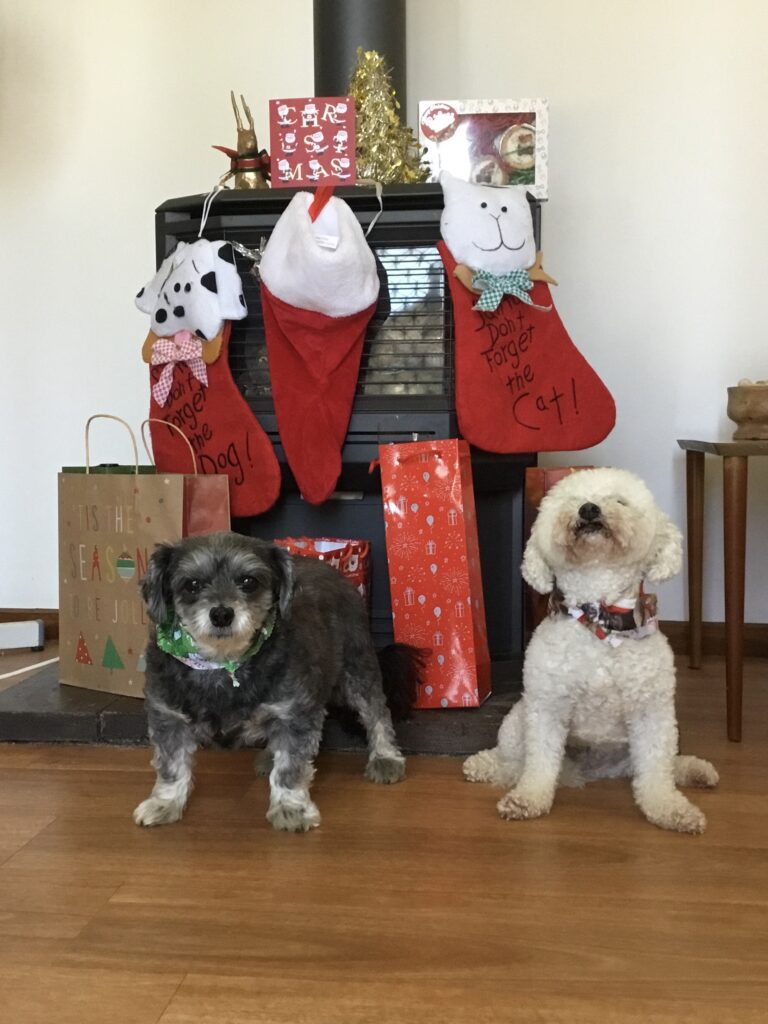
Why Size Matters More Than Labels
A toy dog’s size influences nearly every aspect of their wellbeing.
Small dogs:
- are more physically vulnerable
- are easier to accidentally injure
- feel environmental stress more intensely
- depend more heavily on humans for safety
- often experience the world at ground level
They navigate loud spaces, fast movement, and larger animals with a different level of exposure than bigger dogs. Their emotional responses, training needs, and health risks reflect this.
This is why Toy Dog Mag focuses on lifestyle and care, not just classification.
Because a small dog’s daily reality matters more than what they’re called.
Lifestyle Is the Real Definition
Toy dogs tend to share certain lifestyle traits, regardless of breed:
- they spend more time indoors
- they rely on human routines
- they form strong emotional bonds
- they adapt easily to travel and shared spaces
- they experience separation more intensely
These patterns show up in purebreds and mixed breeds alike.
It’s not their genetics that connect them — it’s how they live.
How Toy Dog Mag Uses the Term “Toy Dog”
At Toy Dog Mag, toy dog is not a status symbol or a breed list.
It’s a practical term for:
- small dogs
- companion-sized dogs
- dogs who live close to human life
- dogs whose size shapes their needs
We use the term to describe a way of being, not a category to qualify for.
Whether your dog is a registered purebred or a rescue with a mysterious past, if they move through the world as a small dog — they belong here.
Beyond Classifications
Toy dogs exist in a space that often goes unexamined. They are sometimes dismissed as fragile, decorative, or less “real” than larger breeds.
In truth, they are navigating the same emotional world as every other dog — just from a different physical position.
They experience fear, joy, stress, comfort, attachment, and curiosity in exactly the same depth. The difference is that their size makes these experiences more concentrated, more intense, and sometimes more easily overlooked.
Understanding toy dogs begins with understanding their scale — not their pedigree.
A Shared Language for Small Dogs
The purpose of defining toy dog isn’t to draw lines. It’s to create shared understanding.
So that when we talk about:
- training
- health
- anxiety
- nutrition
- lifestyle
- accessories
We’re talking about dogs who live in similar physical realities, regardless of what their family tree looks like.
It gives us a common language — not a hierarchy.

In the End, It’s About Belonging
Toy dogs don’t need to prove anything to earn their place in the world. They don’t need labels to justify their worth.
They simply exist as they are — small, complex, emotional beings living inside a human-sized environment.
That’s the only definition that really matters.