Toy dogs may be small in size, but they are every bit as capable of learning as their larger canine cousins. In fact, many toy breeds are highly intelligent, quick to respond, and eager to engage with their humans. The key to successful training isn’t force or strict discipline — it’s confidence, consistency, and communication.
Training a toy dog is not about controlling behaviour. It’s about building understanding between you and your dog. When training is approached with patience and encouragement, it becomes an opportunity to strengthen the bond you share.
Why Training Matters for Toy Dogs
Because toy dogs are small, people sometimes assume training isn’t as important. A small dog jumping up, barking at visitors, or pulling on the lead can seem less intimidating than the same behaviour from a large dog.
But size doesn’t change the need for guidance.
Training helps toy dogs feel secure because they learn what to expect in different situations. Clear routines and consistent cues reduce confusion and build trust. When your dog understands what you’re asking, they’re far more likely to respond calmly and confidently.
Training also helps prevent the development of habits that may be cute at first but frustrating later on. Barking at every noise, guarding laps or furniture, or resisting grooming are behaviours that often develop when dogs don’t have clear boundaries.
Start with Trust and Communication
Confidence in training starts with trust.
Toy dogs are often physically more vulnerable than larger breeds. Because of this, they can be more sensitive to tone, handling, and sudden changes in their environment. Training that feels harsh or rushed can easily make them nervous or hesitant.
Instead, focus on calm, consistent communication.
Short training sessions work best. Just five to ten minutes at a time can keep your dog engaged without overwhelming them. Use clear cues, reward positive behaviour, and keep your tone encouraging.
Dogs learn best when they feel safe and successful.
Use Positive Reinforcement
Positive reinforcement is widely recognised as one of the most effective training approaches for dogs of all sizes. It simply means rewarding the behaviours you want to see repeated.
For toy dogs, rewards don’t have to be large treats. Small pieces of food, praise, or even a favourite toy can be enough motivation.
When your dog performs the behaviour you’re teaching — such as sitting, coming when called, or walking calmly on a lead — reward them at once. This helps them connect the action with the positive outcome.
Consistency matters more than intensity. Repeating the same cues and rewarding the same behaviours helps your dog learn faster and with greater confidence.
Keep Training Gentle and Realistic
Toy dogs have smaller bodies and shorter legs, so their training needs to reflect that.
Long walks, extended training sessions, or physically demanding exercises can quickly become tiring. Instead, incorporate training into everyday activities around the home and neighbourhood.
Simple moments — waiting before meals, sitting calmly when guests arrive, or walking politely on a short stroll — all provide valuable learning opportunities.
Training does not have to feel like a formal lesson. Often, the best learning happens during daily life.
Build Confidence in New Situations
One of the most valuable parts of training is helping your toy dog feel comfortable in the wider world.
New environments, unfamiliar sounds, and meeting other dogs can feel overwhelming for a small dog. Gradual exposure, paired with reassurance and rewards, helps build resilience.
Allow your dog to observe and explore at their own pace. Avoid forcing interactions or placing them in situations that feel frightening. Confidence grows when dogs feel they have the freedom to approach new experiences calmly.
Over time, these small positive experiences create a dog that feels secure and adaptable.
Training Strengthens Your Bond
Perhaps the greatest benefit of training is the relationship it creates between you and your dog.
When you train together, you learn to read each other’s signals. Your dog begins to understand your expectations, and you begin to understand their personality and communication style.
Training becomes less about commands and more about cooperation.
For toy dogs, who often live closely alongside their humans, this shared understanding is especially important. Clear communication allows them to feel safe, supported, and included in daily life.
Practical Training Tips for Toy Dogs
Training doesn’t need to be complicated. Small, consistent habits can make a big difference in how quickly your toy dog learns.
Keep sessions short and focused
Toy dogs often have short bursts of attention. Training for five minutes at a time is usually more effective than long sessions that leave them tired or distracted.
Use a clear, calm voice
Your dog learns to recognise tone as much as words. Simple cues like “sit,” “stay,” and “come” should be spoken calmly and consistently so your dog can easily recognise them.
Reward the behavior you want immediately
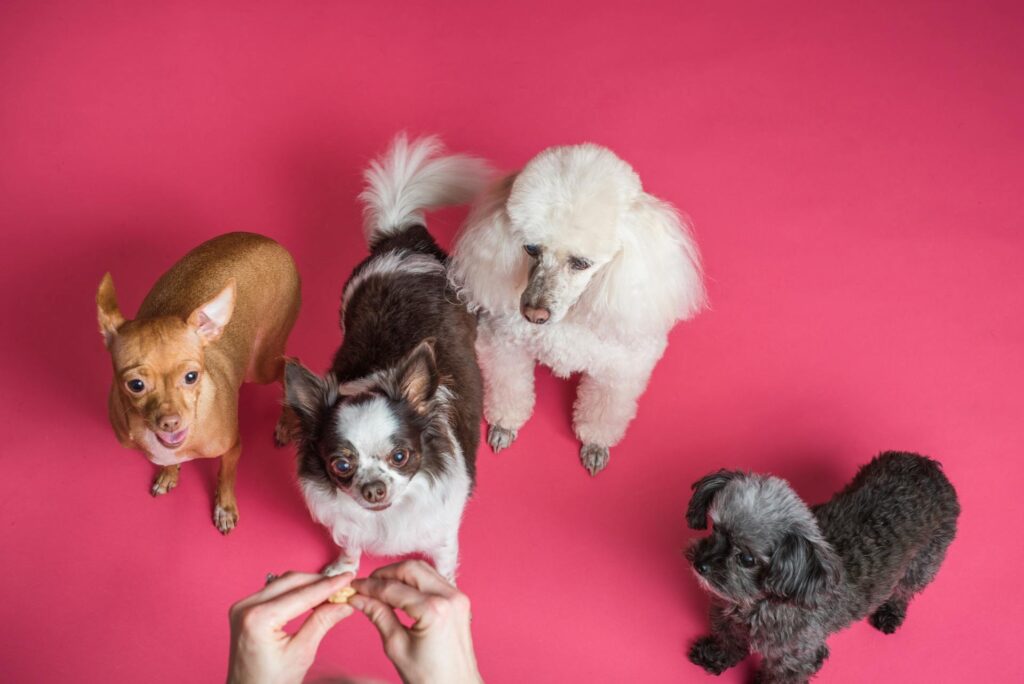
Timing matters. When your dog does the right thing, reward them straight away with praise or a small treat so they can connect the action with the reward.
Train at your dog’s level
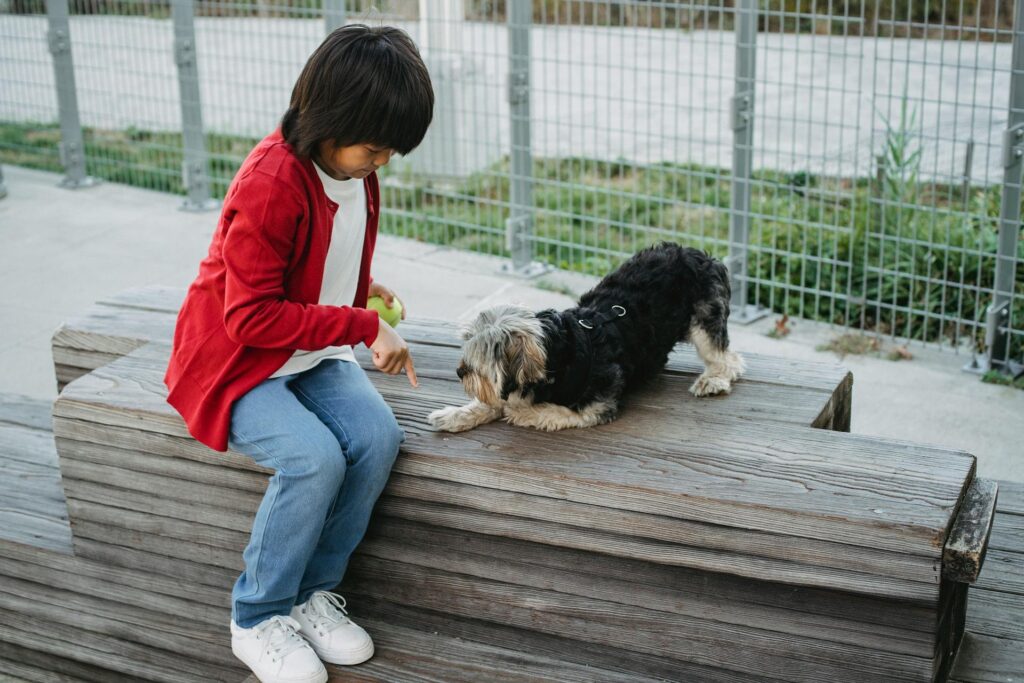
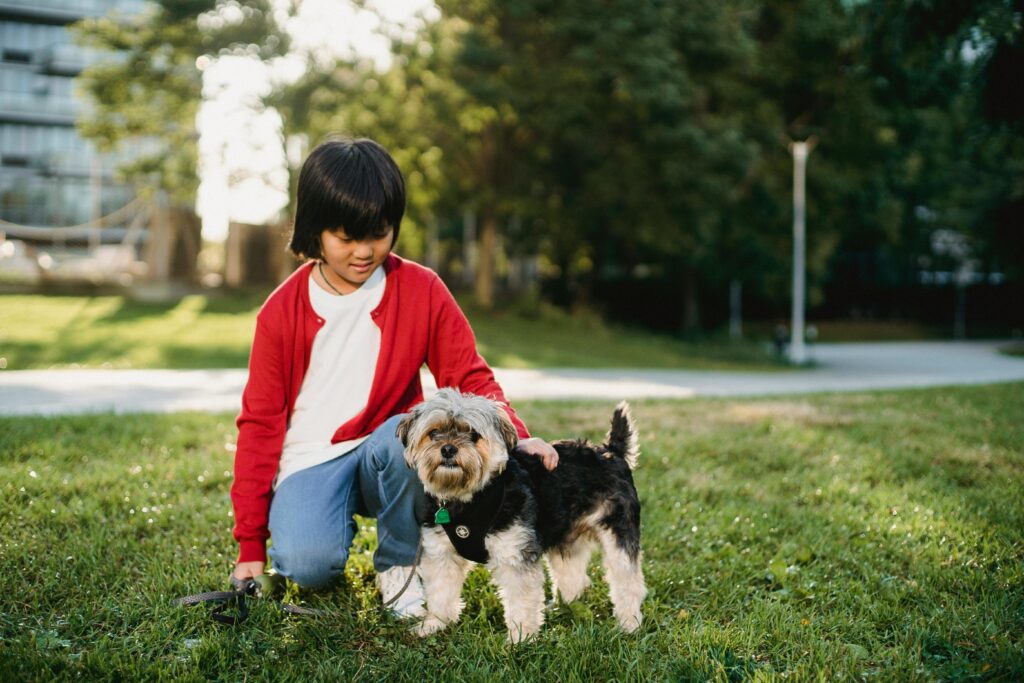
Because toy dogs are physically small, being trained from far above them can feel intimidating. Kneeling or sitting at their level often helps them feel more comfortable and engaged.
Practise in familar environments first
Start training in quiet spaces at home where your dog feels safe. Once they understand the behaviour, you can gradually introduce more distractions like parks or busier streets.
End on a positive note
Always finish training sessions with something your dog can succeed at. This helps them associate training with a positive experience and look forward to the next session.
Common Training Mistakes with Toy Dogs
Because toy dogs are small, people sometimes treat them differently during training without realising it.
Common mistakes include:
- picking the dog up instead of guiding behavior
- allowing behaviors that wouldn’t be acceptable in larger dogs
- expecting too much too quickly
- using inconsistent cues or rules
Small dogs benefit from the same clear communication and boundaries as any other dog. Consistency helps them feel secure and confident in what is expected.
A Small Dog with Big Potential
Toy dogs may be tiny, but their ability to learn, adapt, and connect with their humans is enormous.
Training with confidence simply means approaching the process with patience, kindness, and consistency. When your dog feels supported rather than pressured, they are far more likely to respond with enthusiasm and trust.
Successful training isn’t measured by perfect obedience. It’s about communication, trust, and helping your dog feel secure enough to understand the world around them.