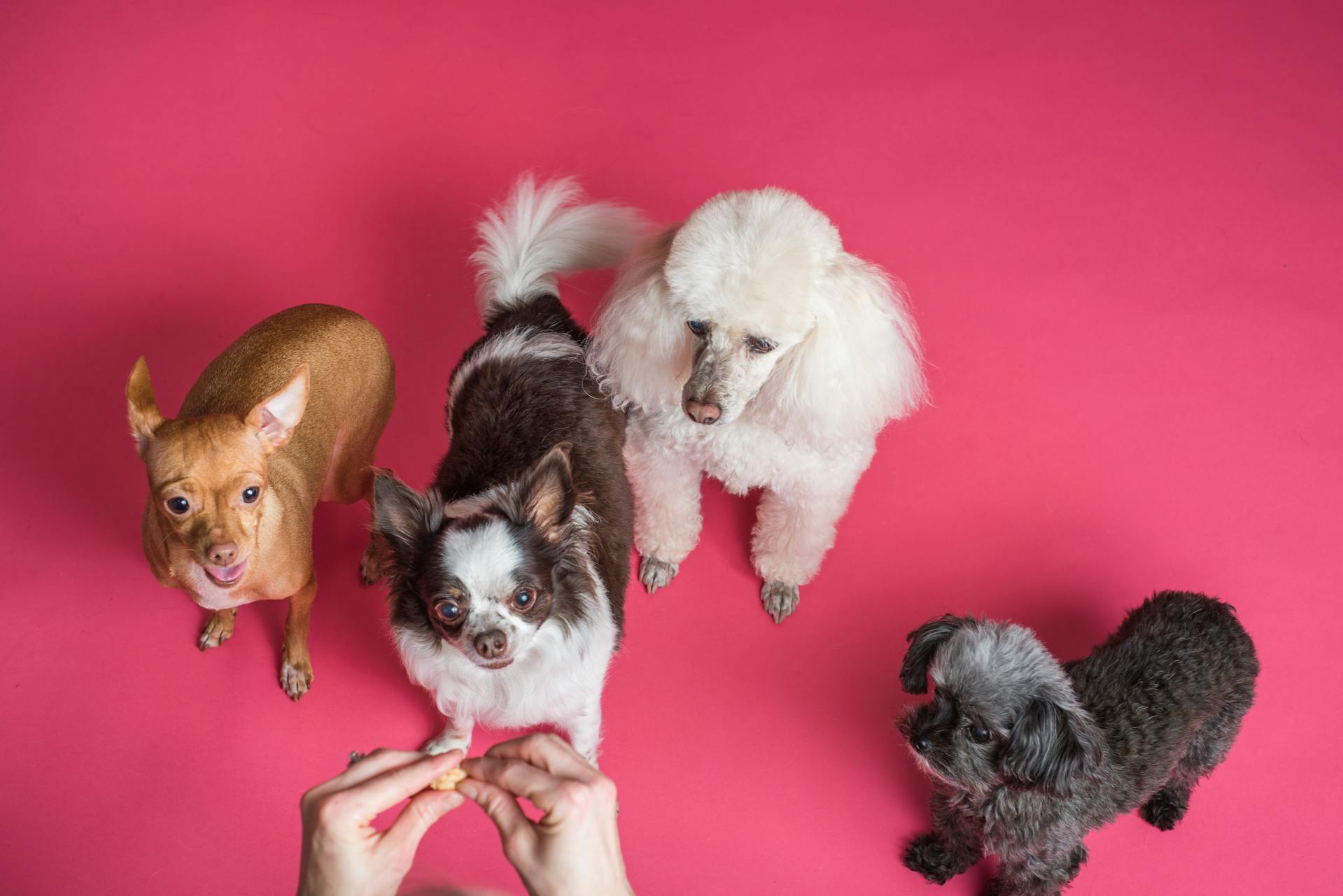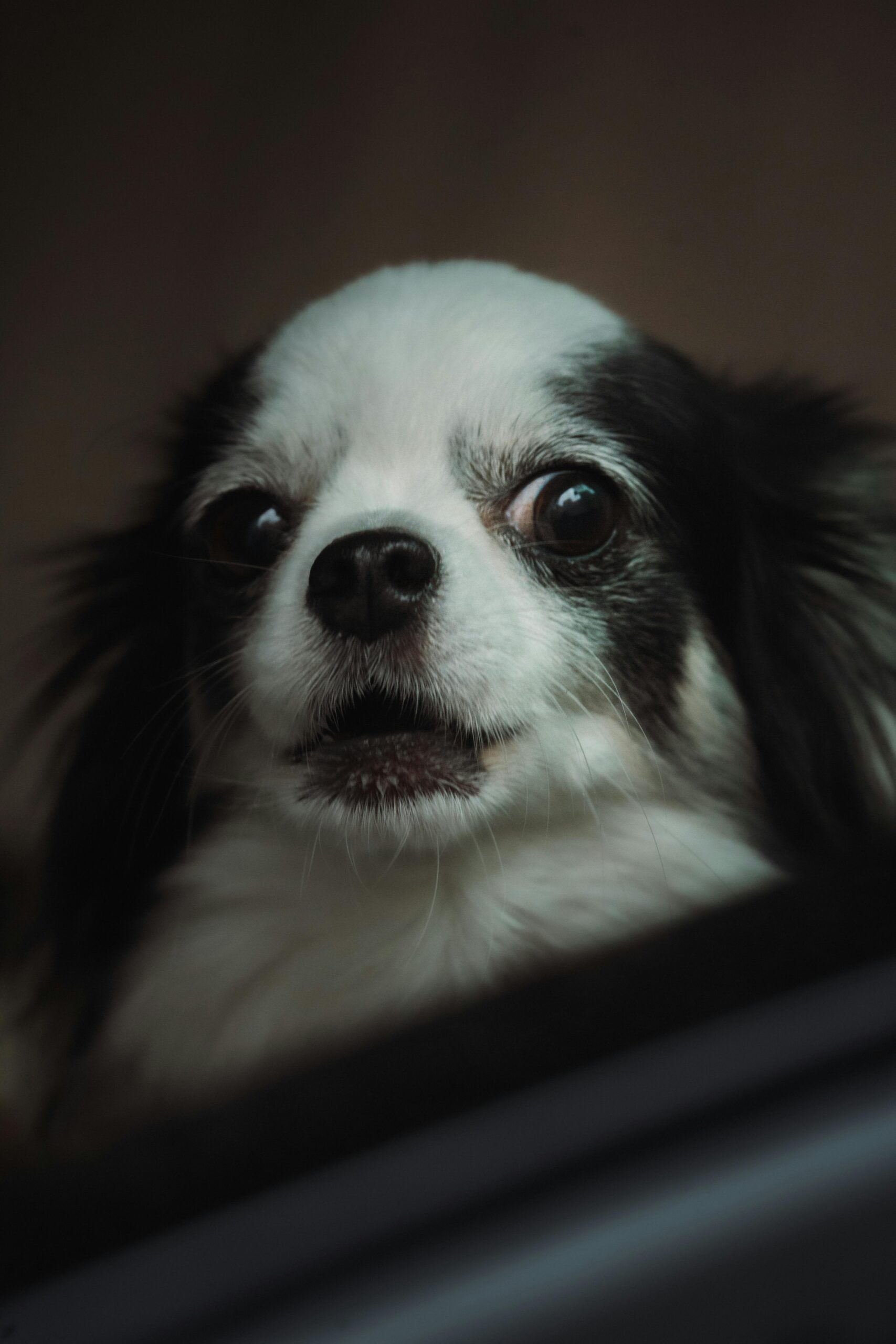
Toy dogs are known for their deep attachment to their humans. Whether it’s a Chihuahua curled up beside you on the couch or a Maltese following you from room to room, these tiny companions thrive on closeness. But that strong bond can sometimes come with a downside.
When a toy dog struggles to cope with being left alone, it may be experiencing separation anxiety. This condition can cause stress for both dogs and their humans, but with the right understanding and support, it can be managed successfully.
Learning how separation anxiety works—and how to respond to it—can help your toy dog feel more secure and confident when you’re not around.
Why Toy Dogs Are Prone to Separation Anxiety
Toy dogs were historically bred to be companion animals. Their job was to stay close to their humans, providing comfort and companionship.
Because of this history, many toy breeds naturally form strong emotional attachments. While this closeness is part of their charm, it can also make them more sensitive to changes in routine or time spent alone.
Some common factors that can contribute to separation anxiety include:
- Sudden changes in household routines
- Moving to a new home
- A change in the number of people in the household
- Being left alone for long periods
- Lack of gradual independence training as a puppy
It’s important to remember that separation anxiety isn’t a sign of stubbornness or bad behaviour. Your dog isn’t trying to be difficult—they’re experiencing genuine distress.
Signs of Separation Anxiety in Toy Dogs
Separation anxiety can appear in several ways, and the behaviours often begin shortly after the owner leaves.
Common signs include:
- Barking or whining excessively when left alone
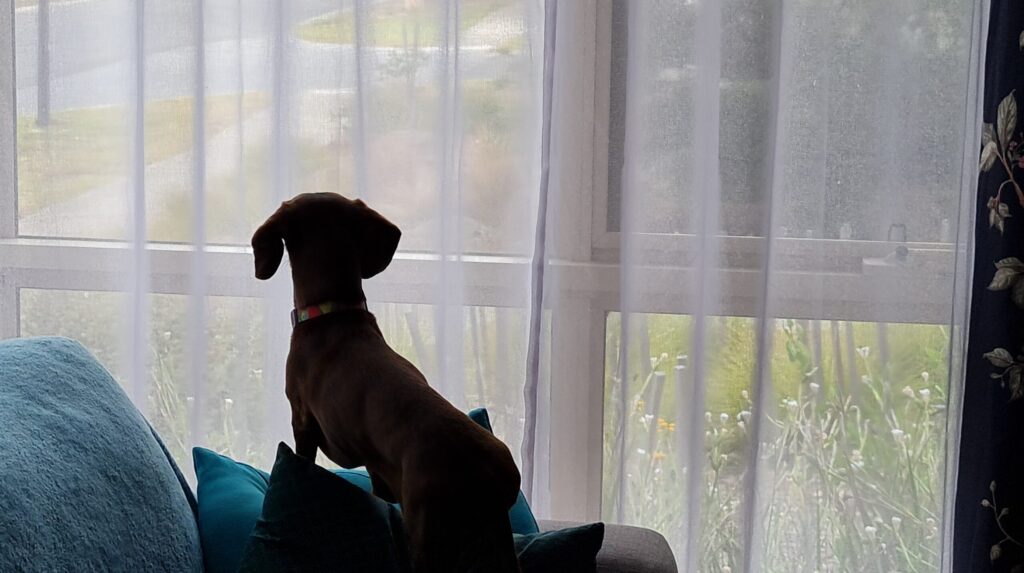
- Scratching at doors or windows
- Destructive behaviour such as chewing furniture
- Pacing or restlessness
- House training accidents despite being normally trained
- Attempting to escape from the house or crate
Many toy dog owners first notice the problem when neighbours mention constant barking or when they come home to signs of stress.
Because toy dogs are small, their anxiety can sometimes be overlooked or dismissed as “typical small dog behaviour,” but persistent signs should always be taken seriously.
What Causes Separation Anxiety?
Separation anxiety can develop for several reasons, and sometimes it’s a combination of factors.
Dogs that have experienced major life changes are often more vulnerable. For example, a dog adopted from a shelter may have experienced previous abandonment, making it harder for them to feel secure when left alone.
Toy dogs can also develop anxiety when they are rarely left by themselves. If a dog becomes used to constant companionship, even short periods alone can feel frightening.
Another common trigger is a sudden change in routine. For example, someone who works from home for months and then returns to an office may unintentionally create a stressful adjustment for their dog.
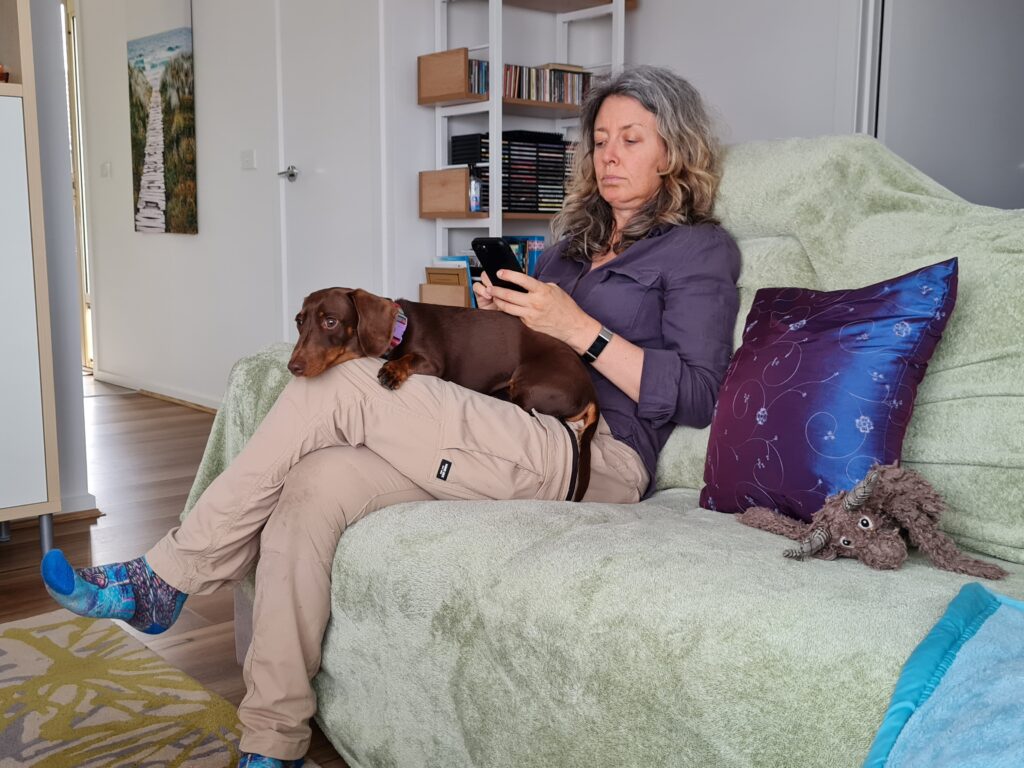
Helping Your Toy Dog Feel More Comfortable Alone
Supporting a toy dog with separation anxiety requires patience and gradual training. The goal is to help your dog learn that being alone is safe and temporary.
Some helpful strategies include:
Start With Short Departures
Practice leaving your dog alone for very short periods at first—even just a few minutes. Gradually increase the time as your dog becomes more comfortable.
Create a Calm Departure Routine
Avoid making a big fuss when leaving or returning home. Calm departures help your dog see that coming and going is a normal part of daily life.
Provide Mental Stimulation
Puzzle toys, chew toys, and food-dispensing toys can help keep your dog occupied and distracted while you’re away.
Establish Predictable Routines
Dogs feel more secure when they know what to expect. Feeding, walks, and playtime at consistent times can help build confidence.
Create a Comfortable Space
Some toy dogs benefit from having a safe, cozy resting area such as a dog bed, crate, or quiet corner filled with familiar scents.
When to Seek Professional Help
If your toy dog’s anxiety is severe, professional guidance can make a big difference.
A qualified dog trainer or veterinary behaviourist can help create a personalised plan to reduce your dog’s stress and build independence gradually.
In some cases, veterinarians may recommend behavioural therapy or short-term medical support to help the dog relax during training.
Seeking help early can prevent anxiety from becoming a long-term problem.
Building Confidence Takes Time
Helping a toy dog overcome separation anxiety is rarely an overnight process. Like many aspects of training, it takes patience, consistency, and empathy.
The good news is that toy dogs are intelligent and adaptable. With the right support, many dogs learn to feel safe and relaxed even when their humans are away.
By focusing on gradual independence and positive experiences, you can help your small companion build the confidence they need to thrive.