Bringing a toy dog into your home changes the way you see your space. Suddenly, everyday things—coffee tables, cords, even the gap under the couch—take on a whole new meaning.
Because toy dogs are so small, their world can feel much bigger (and sometimes more dangerous) than ours. What seems harmless to us can pose real risks to them. But the good news is, creating a safe home doesn’t mean turning your space upside down. It’s about small, thoughtful adjustments that help your dog move through life with confidence.
When your home feels safe, your toy dog can relax, explore, and truly settle in as part of your world.
Why Safety Matters More for Toy Dogs
Toy dogs live close to the ground, which means they interact with your home very differently than larger dogs do. Everyday things—like a dropped chocolate, a loose cord, or a high couch—can pose a much bigger risk.
Their size makes them more vulnerable to:
- Falls from furniture that would barely affect a larger dog
- Getting stuck in tight spaces or behind appliances
- Exposure to things like cleaning products, small objects, or food scraps
- Being accidentally stepped on or bumped into
It’s not about being overly cautious—it’s about understanding their scale. Once you see your home from their perspective, the changes you need to make become obvious.
Getting Down to Their Level
One of the easiest ways to spot potential hazards is to literally see your home from their perspective.
Sit or kneel on the floor and take a look around.
You might notice:
- Cords hanging within reach
- Small objects that could be swallowed
- Gaps behind furniture
- Items near edges that could fall
What feels normal at standing height can look very different from just a few inches off the ground.
This simple shift in perspective often reveals things you’d otherwise miss.
Start with the Basics: Floors, Furniture, and Layout
A safe home begins with what your dog interacts with every day.
Secure Your Floors
Slippery floors can be surprisingly stressful for toy dogs. They can slide, lose confidence, or even injure themselves.
- Add rugs or runners to high-traffic areas
- Use non-slip mats under food bowls and beds
- Keep nails trimmed to help with grip
Manage Furniture Heights
Jumping off a couch or bed might not seem like a big deal—but for a toy dog, it can lead to injury.
Helpful adjustments:
- Use pet ramps or stairs
- Discourage jumping from high furniture
- Keep an eye on slippery floors
Even confident little dogs don’t always realise their physical limits.
Small Spaces and Tight Gaps
Toy dogs are experts at squeezing into places you didn’t even know existed.
Check for:
- Gaps behind appliances or furniture
- Open cabinets or cupboards
- Spaces under recliners or moving furniture
Blocking off these areas can prevent accidents and give you peace of mind.
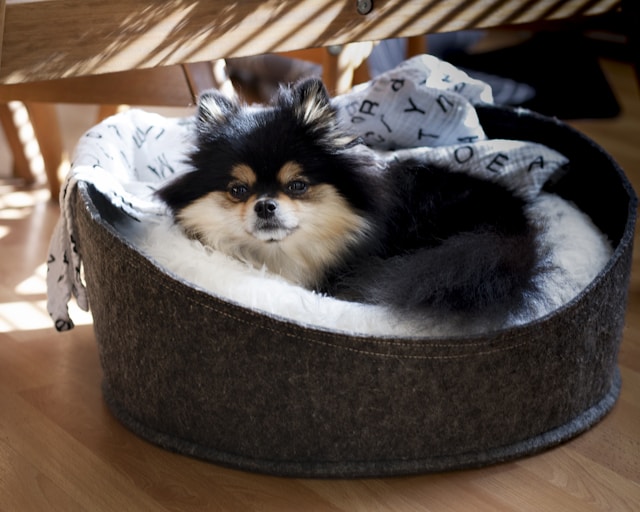
Create a Safe Zone
Every toy dog benefits from having a space that feels like their own.
- A quiet corner with a bed or crate
- Away from busy walkways
- Somewhere they can retreat without being disturbed
Watch the Small Things (Because They Matter Most)
With toy dogs, it’s often the little things that carry the biggest risks.
Cords, Wires, and Loose Items
Anything within reach is fair game for a curious dog. Chewing and curiosity often go hand in hand—especially in younger dogs.
- Secure electrical cords or lift them out of reach
- Keep small items (coins, hair ties, kids’ toys) off the floor
- Store chargers and headphones safely
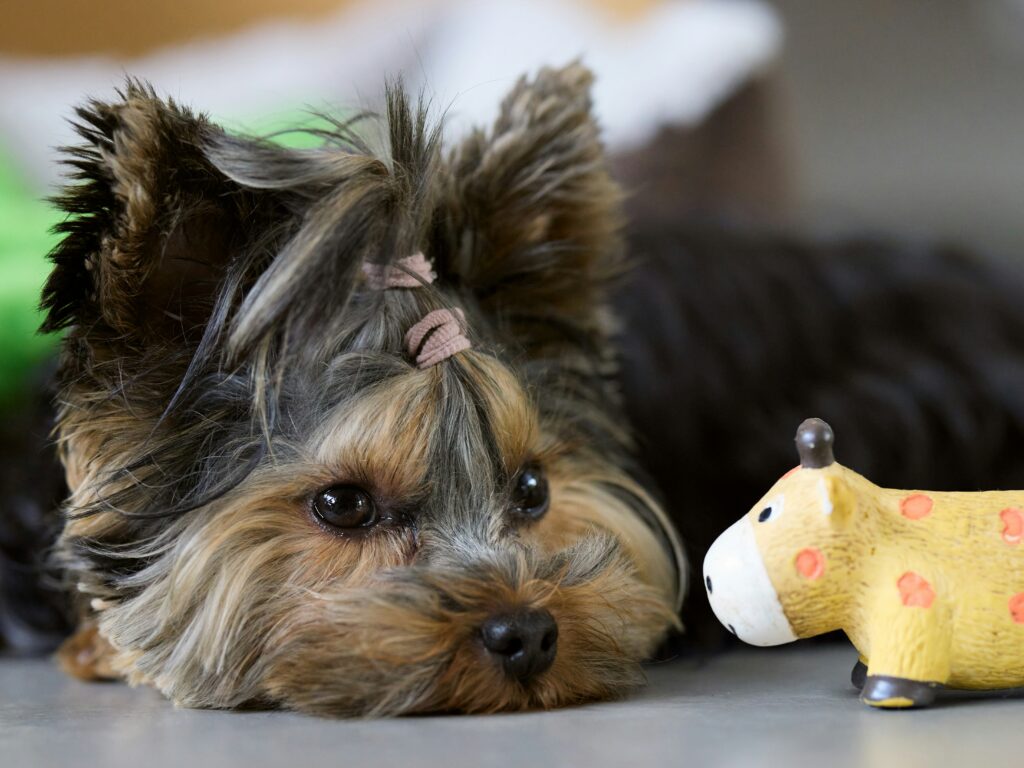
Choose the Right Toys
Toys that are too large can be frustrating, but toys that are too small can be dangerous.
- Opt for size-appropriate toys designed for small breeds
- Regularly check for wear and tear.
- Avoid anything that can easily break into small pieces
Be Mindful of Household Products
Cleaning supplies, plants, and even certain foods can pose risks.
- Store chemicals in closed cupboards
- Check if your indoor plants are pet-safe
- Keep food scraps and bins secure
Everyday Habits That Keep Your Dog Safe
Safety isn’t just about your environment—it’s also about routine.
Be Aware of Where They Are
Toy dogs can be incredibly quiet and quick.
- Check before sitting, stepping, or closing doors
- Be mindful of blankets and cushions where they may burrow
- Let others in your home know to move carefully
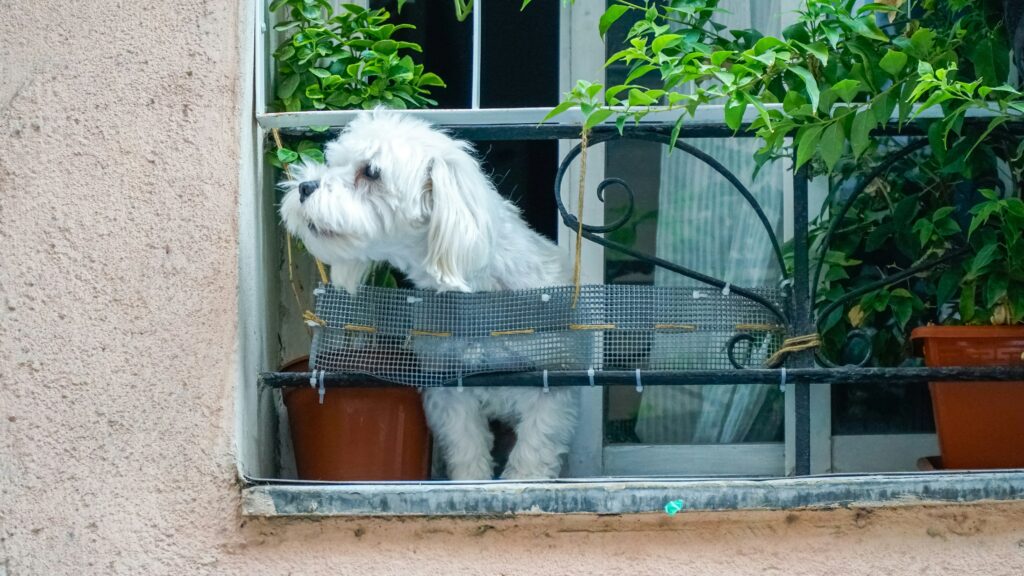
Use Barriers Where Needed
Simple barriers can prevent accidents.
- Baby gates for stairs or unsafe areas
- Closed doors for rooms with hazards
- Supervised access to new spaces
Keep a Consistent Routine
Predictability helps your dog feel secure.
- Regular feeding and walking times
- Familiar sleeping areas
- Clear boundaries around what’s allowed
Safety Supports Confidence
There’s something really powerful about a home that feels safe—not just physically, but emotionally too.
When your toy dog isn’t constantly navigating risks, they become more relaxed, more playful, and more themselves. You’ll notice it in the way they move through your home, the way they settle, and the way they look to you for reassurance.
Creating a safe home isn’t about perfection. It’s about awareness, small changes, and seeing the world from your dog’s point of view.
Because when they feel safe, they don’t just live in your home—they truly belong in it.
FAQs
Do toy dogs need more home safety precautions than larger dogs?
Yes. Their small size makes them more vulnerable to falls, choking hazards, and everyday household risks that larger dogs can easily navigate.
Are stairs dangerous for toy dogs?
They can be. Using baby gates or supervising access helps prevent falls, especially for very small or young dogs.
What is the safest flooring for a toy dog?
Non-slip surfaces like rugs or carpet are ideal. Slippery floors can cause stress and increase the risk of injury.
How do I stop my toy dog from jumping off furniture?
Provide ramps or stairs and gently train them to use these instead where possible.