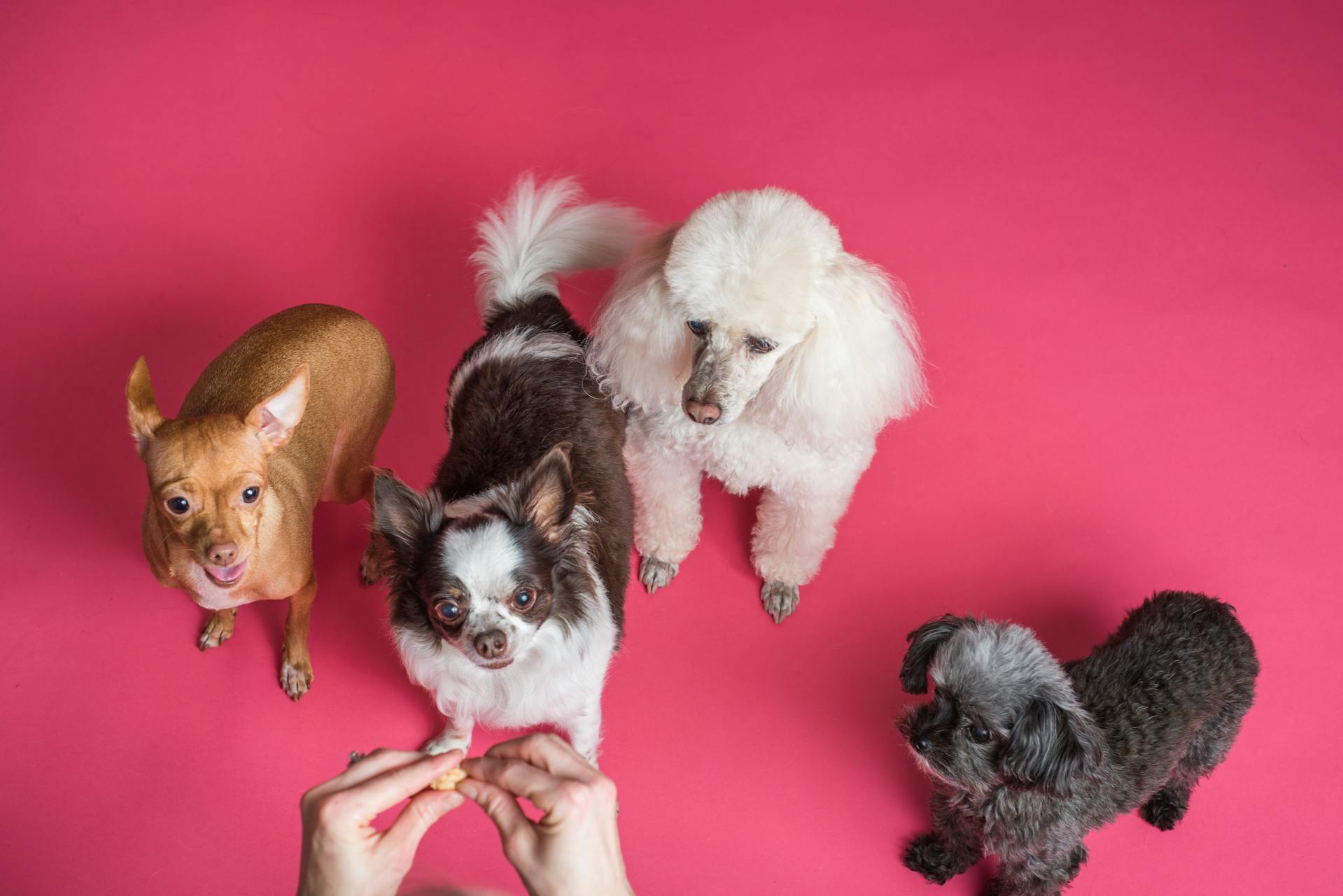
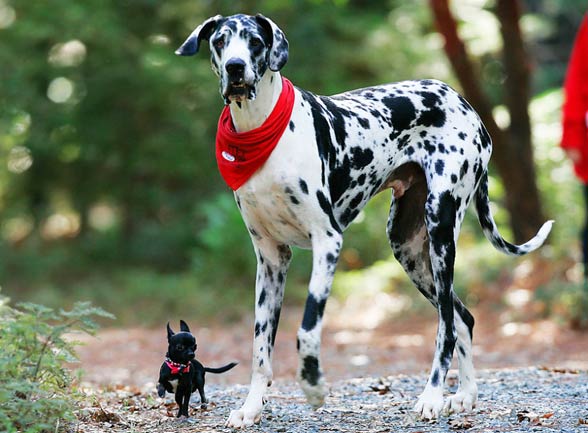
If you’ve ever watched a tiny Chihuahua bark boldly at a much larger dog, you may have wondered the same thing many toy dog owners do:
Do small dogs think they’re big dogs?
It’s a funny idea, but there’s a bit more to it than that. Toy dogs aren’t thinking about their size the way we might imagine. Instead, their behavior often comes from confidence, instinct, and the way humans interact with them.
Understanding why small dogs sometimes act fearless can help you appreciate their personality and support their behavior in a healthy way.
The Big Personality of Toy Dogs
One thing toy dogs are famous for is their larger-than-life personalities.
Breeds like the Chihuahua, Pomeranian, Toy Poodle, and Yorkshire Terrier were developed to be alert companion dogs. That means they tend to be highly aware of their surroundings and quick to react to unfamiliar people, animals, or sounds.
This alert nature can sometimes look like boldness or bravado. When a toy dog stands its ground and barks at a much bigger dog, it’s not necessarily trying to start trouble. Often, it’s simply responding to what it perceives as a potential threat.
Toy dogs may be small in size, but their instincts are still very much those of a dog.
Why Small Dogs Seem Fearless
There are a few reasons why toy dogs sometimes appear to act like they’re ten times their size.
1. Dogs Don’t Think in Terms of Size
Humans are very aware of physical size differences, but dogs don’t view the world in quite the same way.
Dogs respond to body language, movement, and energy. A small dog doesn’t necessarily process the idea that another dog is “too big” to challenge. Instead, it reacts based on instinct and confidence.
2. Many Toy Breeds Were Bred to Be Alert
Even though toy dogs are companions today, many of them historically had jobs that required bold behaviour.
For example:
- Yorkshire Terriers were originally rat hunters in mills.
- Miniature Pinschers were bred as fearless watchdogs.
- Chihuahuas are naturally alert and protective of their people.
That natural confidence still shows up today in everyday situations.
3. Owners Sometimes Reinforce Bold Behaviour
Because toy dogs are so small and cute, humans often treat them differently than larger dogs.
Sometimes we pick them up quickly when they bark, or laugh when they act tough. While it might seem harmless, these reactions can unintentionally reinforce the behaviour.
From the dog’s perspective, the reaction may feel like encouragement.
The “Small Dog Syndrome” Myth
You may have heard the term “small dog syndrome.”
This phrase is often used when small dogs display behaviors like excessive barking, guarding, or acting aggressively toward bigger dogs.
However, many dog behaviorists believe the issue isn’t really about the dog’s size. Instead, it’s often related to training, boundaries, and socialisation.
When toy dogs are treated like capable dogs rather than delicate accessories, they usually behave more confidently and calmly.
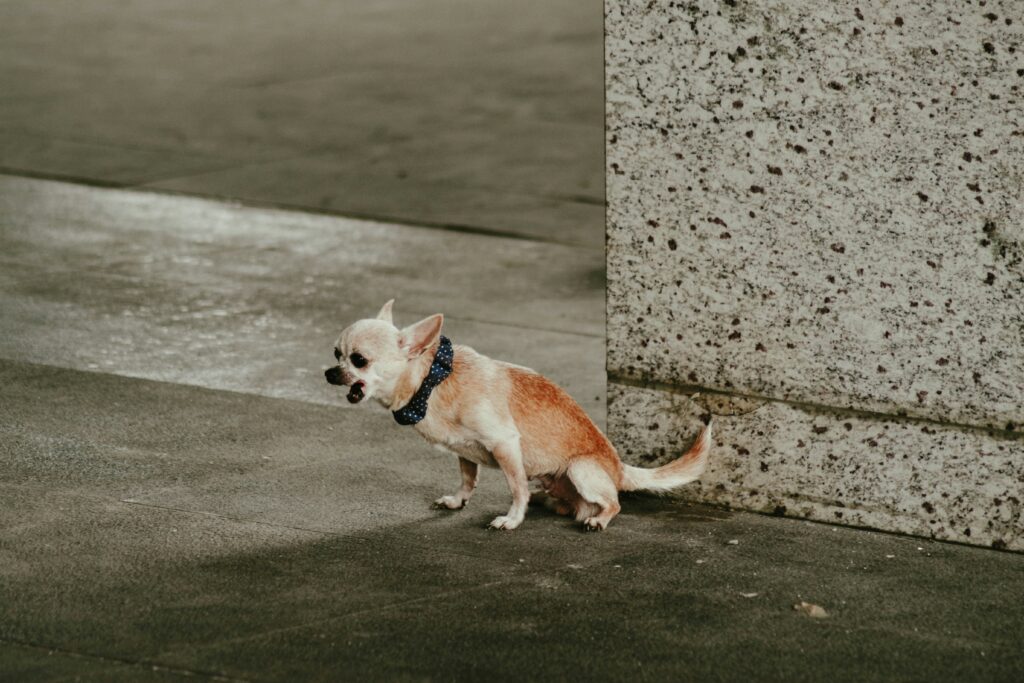
Confidence vs. Reactivity
It’s important to understand the difference between healthy confidence and reactive behaviour.
A confident toy dog might:
- Walk calmly past larger dogs
- Show curiosity about new environments
- Stay relaxed when meeting new people
A reactive dog, on the other hand, may:
- Bark intensely at other dogs
- Lunge while on leash
- Become overly defensive in unfamiliar situations
Both behaviors can sometimes look similar at first glance, but they often have different underlying causes.
Helping Your Toy Dog Feel Secure
Supporting your toy dog’s emotional wellbeing can make a big difference in how they respond to the world around them.
Some helpful strategies include:
Socialisation
Expose your dog to a variety of safe environments, people, and dogs from a young age.
Consistent training
Clear cues and gentle training help your dog understand expectations.
Respect their size without overprotecting
Toy dogs still benefit from walking, exploring, and learning just like larger dogs do.
Reading their body language
Learning when your dog feels confident or overwhelmed helps you support them appropriately.
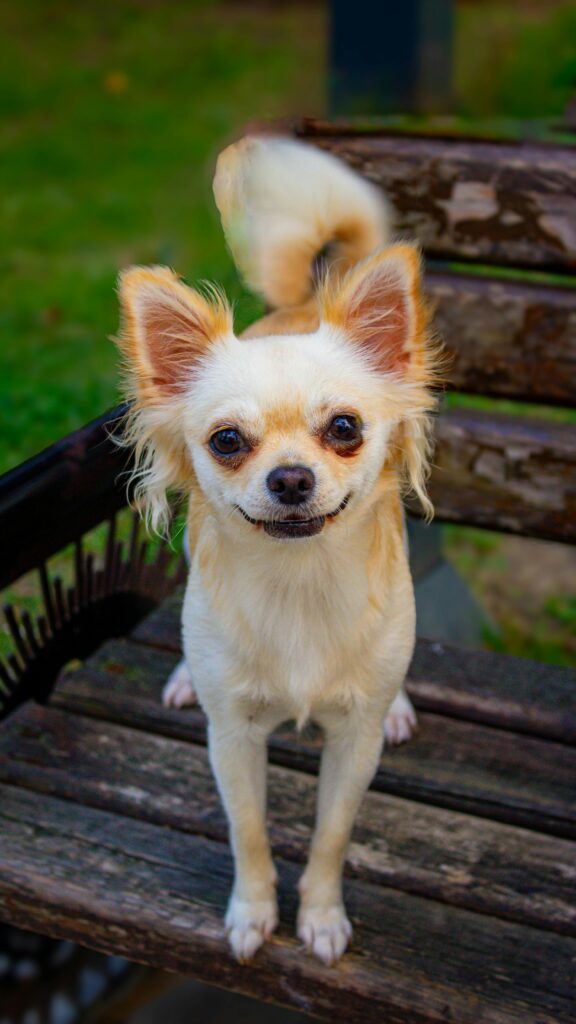
Celebrating the Spirit of Toy Dogs
Toy dogs may be tiny, but their personalities are anything but small.
Their alert nature, loyalty, and confidence are part of what makes them such wonderful companions. Rather than thinking they believe they’re big dogs, it may be more accurate to say that they simply approach the world with courage and curiosity. And that fearless little spirit is one of the things toy dog lovers appreciate most.
FAQs About Small Dog Behavior
Why do small dogs act aggressive toward big dogs?
Small dogs are not naturally more aggressive than large dogs. However, lack of socialisation, fear, or protective instincts can sometimes cause reactive behavior toward larger dogs.
Do small dogs have bigger personalities than large dogs?
Toy dogs are often described as having big personalities because they are alert, expressive, and closely bonded with their owners.
Are toy dogs more confident than large dogs?
Confidence varies between individual dogs. However, many toy breeds were bred to be bold companion animals, which can make them appear especially confident.