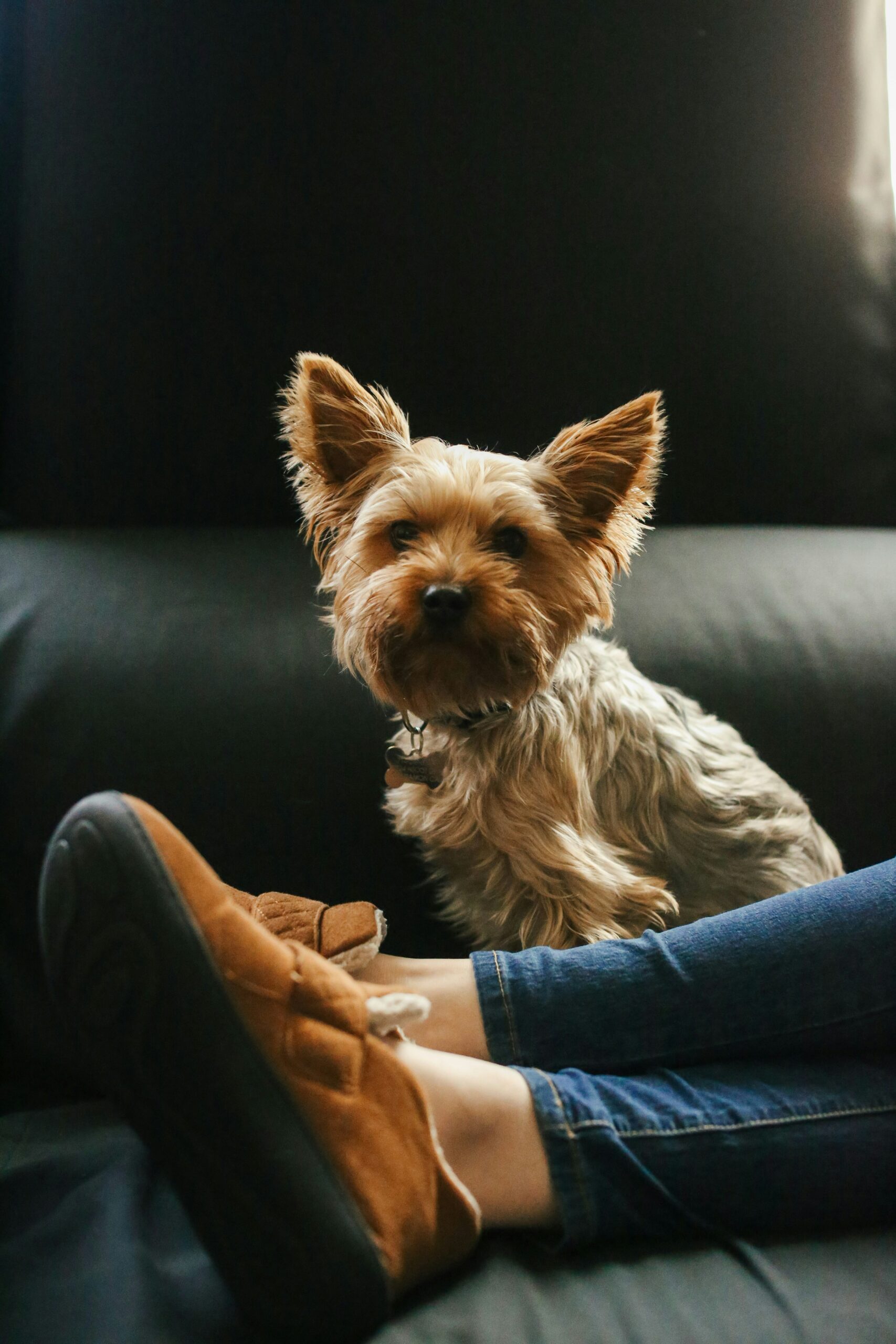
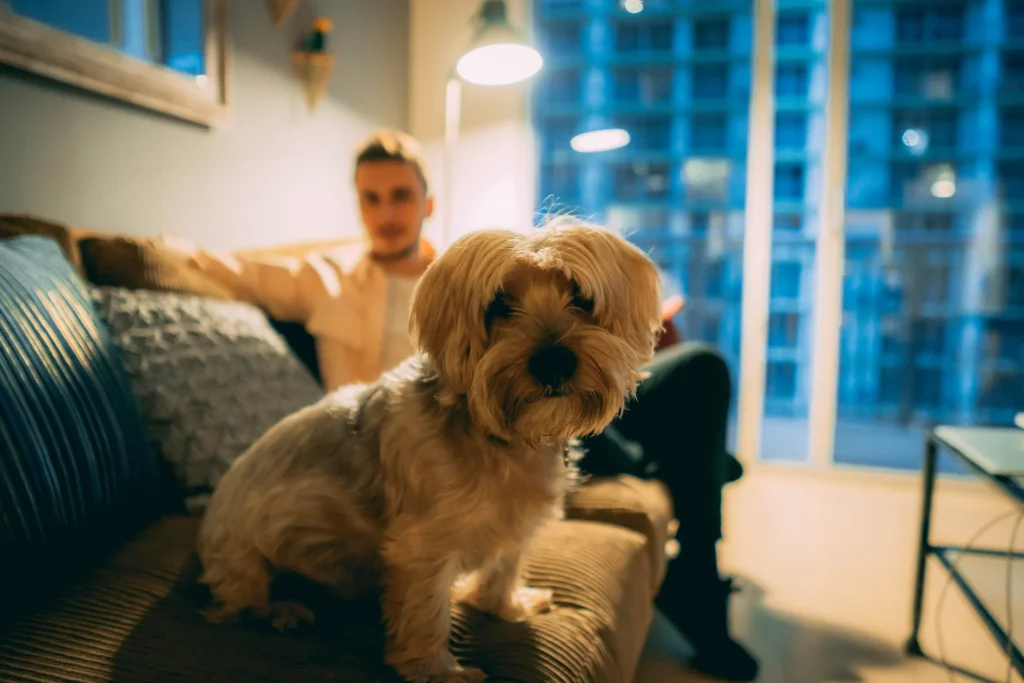
Living in an apartment doesn’t mean you have to give up the joy of having a furry companion — especially if that companion is a toy dog. These pint-sized pups often adapt beautifully to apartment life, bringing just as much love and personality as their larger canine cousins. But sharing a smaller space with your dog takes a little thought, some clever routines, and an understanding of their needs.
Read on for tips to make your fur child comfortable in your high-rise home.
Why Toy Dogs Often Make Great Apartment Companions
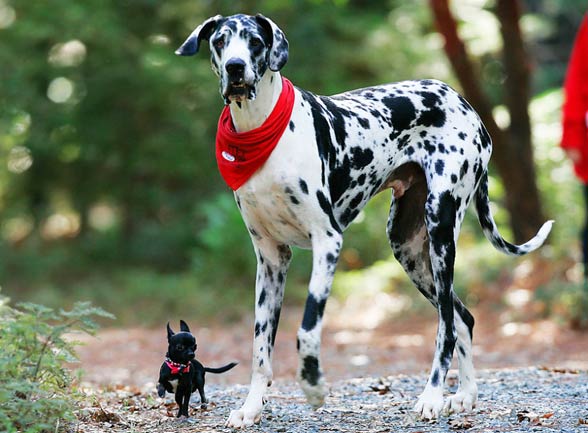
One of the biggest perks of toy dogs is their size. Weighing anywhere from 3 to 15 pounds, most toy breeds are perfectly suited to smaller homes. They don’t need sprawling backyards to get their exercise, and their smaller stature means they can happily snuggle into city-sized couches or beds.
That said, size alone doesn’t make them low maintenance. Many toy breeds were bred for companionship, which means they thrive when they’re close to you — and can become anxious if left alone for long stretches. Others, like Miniature Pinschers or Papillons, have high energy levels despite their tiny frames.
Apartment living with a toy dog is all about balance: creating enough activity, enrichment, and comfort to keep them healthy and happy.
Choosing the Right Toy Breed for Your Lifestyle
While almost any toy dog can live in an apartment, some breeds are naturally more adaptable than others. For example:
- Cavalier King Charles Spaniel – Gentle, affectionate, and adaptable to both active and quieter households.
- Shih Tzu – Bred as indoor companions, they’re happy to spend a lot of time lounging by your side.
- Italian Greyhound – Elegant and calm indoors but will still appreciate regular walks.
- Pomeranian – Playful and confident but will need mental stimulation to avoid boredom barking.
Before choosing a breed (or mix), think about your work hours, noise tolerance, grooming commitment, and the level of activity you can realistically provide.
Creating a Safe and Comfortable Space
Even in a small apartment, your toy dog should have a space to call their own. This could be a cozy dog bed in a quiet corner, a crate with soft bedding, or a playpen if you want to limit where they roam when you’re not home.
A few apartment-friendly tips:
- Think vertical as well as horizontal – Use low shelves, window perches, or dog stairs so your pup can safely enjoy more of the space without jumping from heights.
- Use washable rugs or mats – Accidents can happen, especially with younger dogs or seniors.
- Block off hazards – Hide cords, secure trash cans, and keep cleaning products well out of reach.
Exercise in an Urban Environment
A toy dog might not need hours of running, but daily exercise is still essential for their health and happiness. In a city or apartment setting, you might rely more on structured walks and indoor play.
- Walks – Two to three short walks a day can be enough for many toy breeds. Choose quieter streets or nearby parks when possible.
- Indoor play – Use soft toys for games of fetch, tug-of-war, or hide-and-seek around the apartment.
- Training games – Mental exercise is just as important as physical activity. Simple obedience drills, puzzle toys, or treat-dispensing games can keep their brains busy.
If you live in a building with pet amenities like a rooftop run or indoor play area, take full advantage — but always supervise, as toy dogs can be easily injured by bigger dogs.

Managing Barking in Close Quarters
In apartment living, noise travels — and while many toy dogs have big personalities, they can also have big voices. Barking at hallway noises, passing dogs, or even elevator dings can quickly become a problem with neighbors.
Here’s how to keep things peaceful:
- Teach the “quiet” command – Reward your dog for stopping barking on cue.
- Manage triggers – Use white noise machines or close blinds to block sights and sounds that set them off.
- Provide enrichment – A mentally stimulated dog is less likely to bark out of boredom.
Consistency is key. The earlier you address barking, the better for everyone involved.
Socialization in the City
Living in an apartment means your dog will encounter people, other pets, and new environments more often than a suburban backyard dog might. Socialization — introducing them positively to new experiences — is vital.
- Elevators and stairs – Practice calm behavior so your dog isn’t fearful or reactive.
- Meeting neighbors – Teach polite greetings and discourage jumping or barking at doors.
- Dog-friendly spaces – Visit pet-friendly cafes, small-dog meetups, or off-peak hours at local parks.
Remember that small dogs can be more vulnerable in crowded areas, so carrying them or using a stroller in high-traffic spots can keep them safe.
Potty Routines for Apartment Dogs
If you don’t have a backyard, you’ll need a clear plan for potty breaks. This could be:
- Scheduled outdoor trips – First thing in the morning, after meals, and before bed.
- Indoor potty options – Pee pads or a balcony grass patch can be a backup for bad weather or emergencies.
Stick to consistent times so your dog knows when to expect their next outing. With small bladders, puppies and senior toy dogs may need more frequent break
Grooming in Small Spaces
Toy dogs often require regular grooming — and in an apartment, space can be tight. A few tips:
- Use a small grooming table or non-slip mat on a countertop for brushing.
- Keep grooming tools organized in a caddy so they’re easy to grab.
- For breeds needing professional grooming, find a nearby salon or mobile groomer who can come to you.
Even short-haired toy breeds benefit from weekly brushing to reduce shedding and keep their coats healthy.
Travel and Transport
One advantage of living with a toy dog is how portable they are. In an apartment setting, this means it’s easier to take them with you when you head out for errands or weekend getaways.
Invest in:
- A secure carrier or backpack – Great for public transport or crowded areas.
- A small harness and leash – Safer for their delicate necks than collars.
Many cities now have pet-friendly rideshare options, hotels, and even workspaces, so your pup can tag along more often.
Building a Routine They Can Rely On
Dogs thrive on predictability, and apartment life works best when you stick to a daily rhythm. This includes:
- Regular feeding times
- Scheduled walks or play sessions
- Consistent potty breaks
- Wind-down time in the evening
A reliable routine can reduce anxiety, especially in toy breeds prone to separation stress.
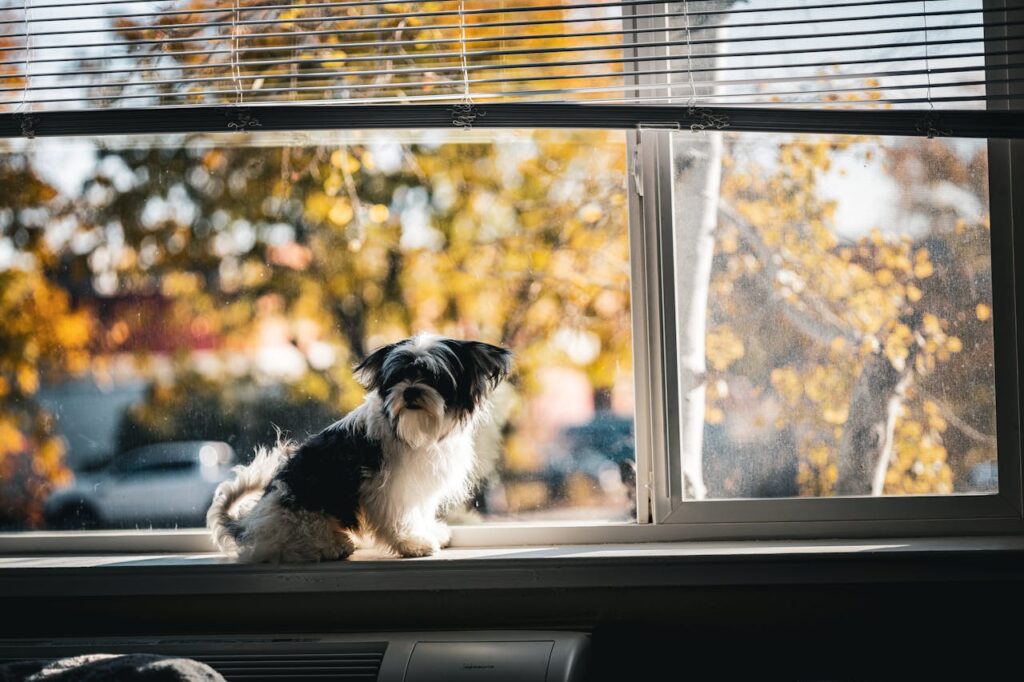
The Joy of Apartment Living with a Toy Dog
Far from being a compromise, apartment living with a toy dog can be deeply rewarding. Your home feels warmer, your days have more purpose, and those little paws bring big love.
Yes, you’ll need to be intentional about exercise, training, and socialization. But toy dogs are masters at making the most of small spaces — as long as they have you.
With a bit of planning and a lot of affection, your apartment can be the perfect palace for your pint-sized companion.
FAQs
Can toy dogs live happily in apartments?
Yes. Many toy dogs adapt very well to apartment living because of their small size and companion-focused nature. Breeds such as Chihuahuas, Shih Tzus, Maltese, and Cavalier King Charles Spaniels often enjoy living in smaller spaces. The key is making sure they still receive daily exercise, mental stimulation, social interaction, and a predictable routine.
What are the best toy dog breeds for apartment living?
Some toy breeds often considered well suited to apartment life include:
- Cavalier King Charles Spaniel
- Shih Tzu
- Maltese
- Chihuahua
- Pomeranian
- Toy Poodle
- Yorkshire Terrier
- Papillon
- Bichon Frise
- Dachshund
The right choice depends on your lifestyle. Some toy dogs are energetic and vocal, while others are more relaxed indoors.
How much exercise does a toy dog need in an apartment?
Most toy dogs benefit from two or three short walks a day along with indoor play sessions. While they may not need large outdoor spaces, they still need physical activity and mental enrichment to stay healthy and prevent boredom.
Do toy dogs bark more in apartments?
Some toy breeds can be more vocal than larger dogs because they are naturally alert and quick to respond to sounds. Hallway noises, elevators, neighbors, or passing dogs may trigger barking. Early training, socialization, and mental stimulation can help reduce excessive barking.
Can you potty train a toy dog in an apartment?
Yes. Apartment potty training often relies on consistency. Regular outdoor trips, scheduled feeding times, and positive reinforcement can help your dog understand where to go. Some owners also use pee pads or indoor grass patches as a backup option.
Is apartment living stressful for toy dogs?
Not necessarily. Many toy dogs actually enjoy being close to their owners in a smaller living space. Stress can develop if they are left alone for long periods, lack exercise, or don’t have a routine. Providing a safe space and daily interaction helps them feel secure.
Can toy dogs use dog parks in apartment buildings?
They can, but supervision is important. Toy dogs are small and can be vulnerable around larger dogs during rough play. If your building has a dog area, quieter times or designated small-dog spaces may be more comfortable.
How do I keep my toy dog entertained indoors?
Indoor enrichment can include:
- Puzzle toys
- Treat-dispensing toys
- Hide-and-seek games
- Short training sessions
- Soft indoor fetch games
- Rotating toys throughout the week
Mental exercise can tire a toy dog almost as effectively as physical activity.
Should toy dogs sleep in a crate in an apartment?
A crate can provide a secure and comforting space if introduced positively. Many toy dogs see a crate as their own quiet retreat. Others may prefer a dog bed near their owners. The goal is to create a sleeping space where they feel safe and relaxed.
Can I leave a toy dog alone while I go to work?
Toy dogs can spend time alone, but many breeds form strong attachments and may struggle with long periods of isolation. If you’re away for extended hours, consider midday walks, pet sitters, doggy daycare, or enrichment activities to keep them occupied.
Are apartments too small for a toy dog?
Apartment size matters less than lifestyle. A toy dog living in a smaller apartment with regular walks, playtime, and companionship will often be happier than a dog with a large yard but little interaction.