Small dogs have a way of capturing attention wherever they go. Their size makes them feel approachable, portable, and—let’s be honest—sometimes a little irresistible to pick up.
But being small doesn’t mean they’re here to be handled however we like.
Respectful handling is one of the most important (and often overlooked) parts of living with a toy dog. It shapes how safe they feel, how they respond to people, and how much they trust the world around them.
Why Respect Matters More for Small Dogs
Because of their size, small dogs experience the world very differently to larger breeds.
They’re closer to the ground.
They’re easier to overpower.
And they’re often handled more frequently—whether they want it or not.
What might feel like a harmless action to us—picking them up suddenly, reaching over their head, or holding them tightly—can feel unpredictable or even threatening from their perspective.
Respect, in this context, simply means recognising that your small dog has boundaries, preferences, and feelings just like any other dog.
Let Them Come to You
One of the simplest ways to handle a small dog respectfully is to pause before interacting.
Instead of reaching straight in, give them a moment to approach you first.
You might notice:
- A relaxed body and wagging tail
- Curious sniffing
- Gentle eye contact
These are signs they’re open to interaction.
If they hesitate, turn away, or stay still, that’s communication too. Respecting that space builds trust over time—and trust is everything with a small dog.
Be Mindful When Picking Them Up
Picking up a toy dog is where things often go wrong—not because people mean harm, but because it’s done too quickly or without thought.
For a small dog, being lifted off the ground can feel like losing control.
To make it more comfortable:
- Approach calmly from the side rather than above
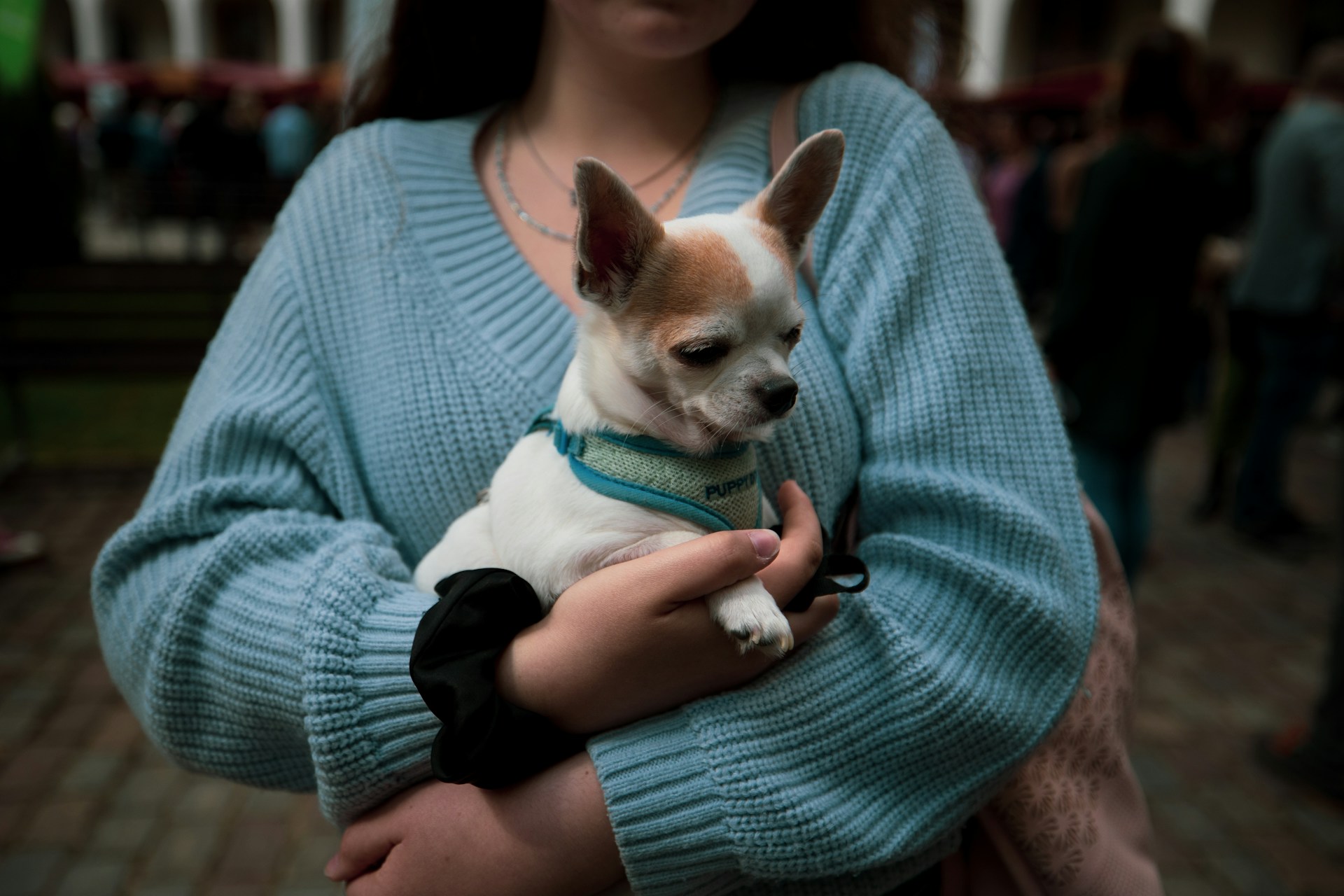
- Support both their chest and hind legs
- Lift smoothly and steadily
- Keep them close to your body so they feel secure
And just as importantly—notice if they want to be picked up.
Some dogs love it. Others tolerate it. Some would really prefer you didn’t.
Avoid Overhandling
Small dogs are often passed around, cuddled frequently, or handled more than larger dogs simply because they’re easy to hold.
But too much handling can become overwhelming.
Watch for subtle signs like:
- Turning their head away
- Licking lips or yawning
- Stiffening in your arms
These moments aren’t dramatic, but they matter. They’re your dog’s way of saying, “I need a break.”
Giving them that break helps them feel heard—and that’s where real connection grows.
Teach Others How to Interact
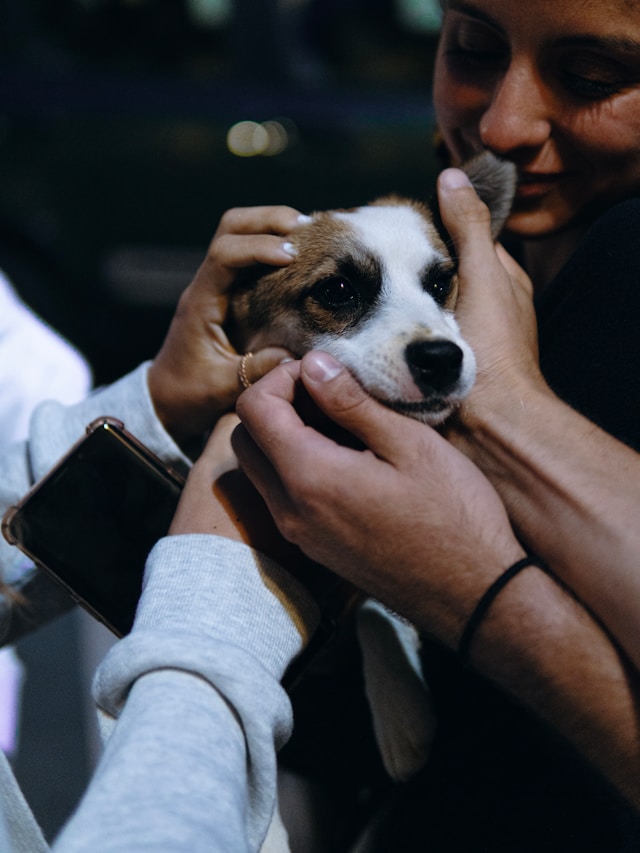
One of the most powerful things you can do for your small dog is advocate for them.
Not everyone understands that small dogs need the same respect as larger ones.
It’s okay to say:
- “She prefers to come to you first.”
- “He’s not comfortable being picked up.”
- “Let’s give her a moment.”
This isn’t being overprotective—it’s being thoughtful.
Children especially benefit from gentle guidance here. When they learn to interact calmly and respectfully, both the child and the dog feel more at ease.
Respect Builds Confidence
Interestingly, respectful handling doesn’t just make your dog feel safe—it also helps them become more confident.
When a small dog knows they won’t be grabbed, lifted, or overwhelmed without warning, they’re more likely to:
- Explore their environment
- Approach new people
- Stay relaxed in social situations
Confidence in small dogs isn’t about making them “brave.”
It’s about giving them the security to feel in control of their own experience.
It’s About Partnership, Not Control
At the heart of it, handling a small dog respectfully comes down to a simple shift in perspective.
They’re not an accessory.
They’re not a toy.
And they’re not something to manage at all times.
They’re a companion—one who happens to be small but still experiences the world in a big way.
When you slow down, pay attention, and respond to what your dog is telling you, something subtle but powerful happens:
You stop just handling your dog…
and start understanding them.
A Gentle Way Forward
Respect doesn’t require special skills or training—it starts with awareness.
The way you approach, hold, and interact with your small dog shapes how safe they feel every single day.
And when a dog feels safe, everything else—trust, connection, confidence—naturally follows.
FAQs
Should you pick up a small dog often?
Not always. While some small dogs enjoy being picked up, others may find it stressful. It’s best to pay attention to your dog’s body language and only lift them when they’re comfortable with it.
What is the correct way to pick up a small dog?
The safest way is to support both their chest and hind legs, lifting them gently and keeping them close to your body. This helps them feel secure and prevents strain or injury.
Why does my small dog not like being held?
Why does my small dog not like being held?
Some dogs feel uneasy when lifted because it removes their sense of control. Past experiences, personality, or sensitivity to handling can all play a role.
How can I tell if my dog is uncomfortable?
Look for subtle signs like turning their head away, stiffening, licking lips, yawning, or trying to move away. These signals mean your dog may need space.
Is it okay to let strangers hold my small dog?
Only if your dog is comfortable. It’s perfectly fine to say no and advocate for your dog’s boundaries, especially if they’re unsure or nervous.
Do small dogs need different handling than big dogs?
Yes—mainly because of their size. Small dogs are more easily overwhelmed physically, so gentle, thoughtful handling is especially important.