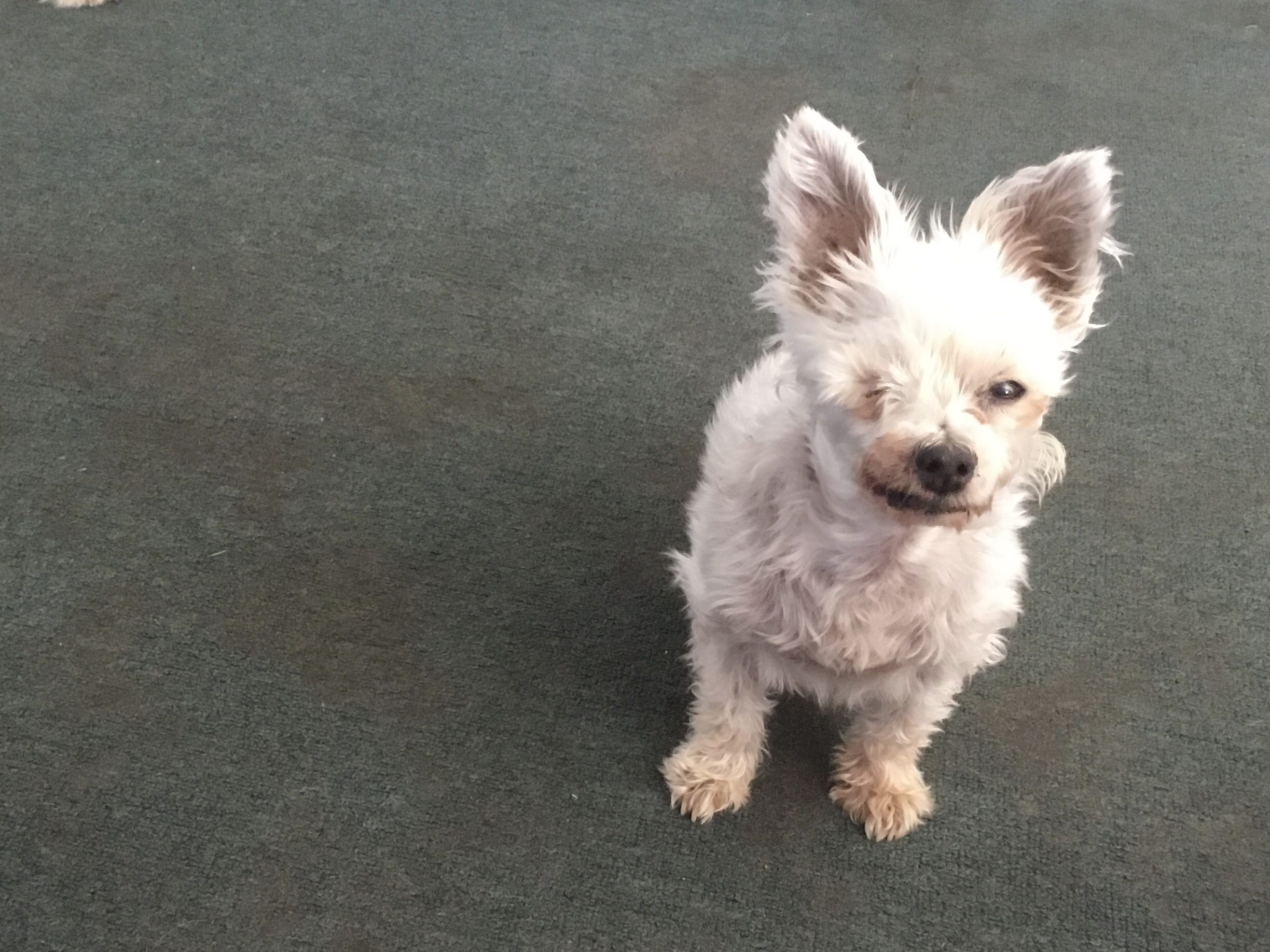

Toy dogs are often described as affectionate, loyal, or sensitive. These traits are usually framed as personality quirks — something inherent to the dog.
But for many small dogs, these behaviors are not quirks at all. They are responses to emotional needs that are shaped by size, proximity, and vulnerability.
Understanding the emotional needs of toy dogs isn’t about humanising them. It’s about recognising how their lived experience shapes the way they feel, connect, and cope.
Emotional Needs Are Not Extras
All dogs have emotional needs, but for toy dogs, those needs tend to be more visible.
Because small dogs live closer to us — physically and emotionally — changes in their environment affect them more immediately. Noise, routine shifts, unfamiliar people, and emotional tension in the household can all register quickly.
This doesn’t mean toy dogs are fragile.
It means they are perceptive.
Their emotional world is active, responsive, and deeply connected to the spaces and people around them.
Safety Is the Foundation
For toy dogs, emotional wellbeing begins with a sense of safety.
Safety looks like:
- predictable routines
- gentle handling
- familiar environments
- calm responses from humans
- clear boundaries
When a small dog feels safe, everything else becomes easier — learning, resting, socialising, and adapting to change.
Without that foundation, even simple situations can feel overwhelming.
Why Attachment Matters So Much
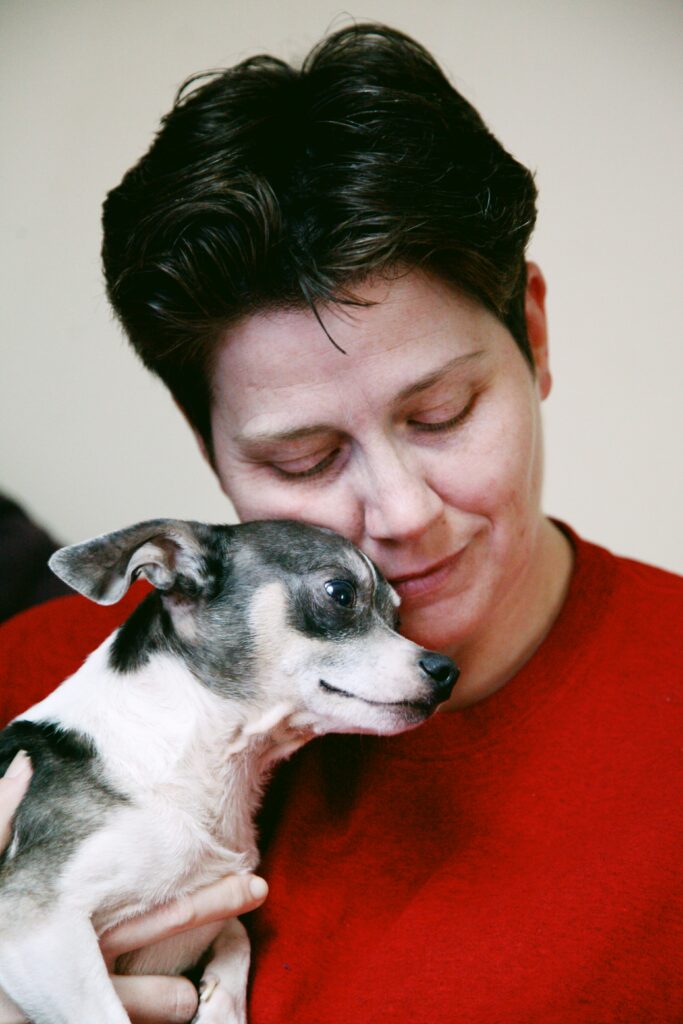
Toy dogs are often criticised for forming strong attachments. They’re labelled clingy or overly dependent, especially when they prefer one person over others.
But attachment, for small dogs, is not about control. It’s about regulation.
Being close to a trusted person helps a toy dog:
- calm their nervous system
- interpret unfamiliar situations
- feel protected
- recover from stress
Attachment is how many small dogs self-soothe in a world that can feel unpredictable.
Sensitivity Is Strength
Toy dogs are frequently described as sensitive — sometimes as if that’s a flaw.
In reality, sensitivity is how they gather information.
Sensitive dogs notice:
- tone of voice
- subtle changes in routine
- shifts in mood
- unfamiliar sounds or movement
This awareness helps them navigate their environment safely. When respected, it allows them to thrive. When dismissed, it can turn into anxiety or withdrawal.
Sensitivity isn’t something to train out of a toy dog.
It’s something to understand and support.
Emotional Overload Looks Like Behavior
Many behaviours commonly associated with toy dogs are signs of emotional overload rather than misbehaviour.
This can include:
- excessive barking
- freezing or hesitation
- avoidance
- restlessness
- withdrawal
These behaviours are communication. They signal that something in the environment feels too much, too fast, or too unpredictable.
Responding with patience rather than correction helps restore emotional balance far more effectively than control ever could.

The Role of Routine and Calm
Routine plays a powerful role in meeting the emotional needs of toy dogs.
Predictability helps small dogs:
- anticipate what’s coming next
- feel secure in their environment
- relax more deeply
- conserve emotional energy
Calm routines don’t have to be rigid. They just need to be reliable enough that the dog doesn’t feel constantly on alert.
For many toy dogs, calm is not the absence of stimulation — it’s the presence of reassurance.
Being Emotionally Available
Toy dogs often look to their humans for emotional cues.
They watch us closely. They learn our rhythms. They respond to how we move through the world.
Being emotionally available doesn’t mean constant attention. It means:
- responding consistently
- handling gently
- allowing space when needed
- recognising when a dog is overwhelmed
Small dogs don’t need to be managed. They need to be met.
What Toy Dogs Ask of Us
Toy dogs don’t ask for perfection.
They ask for awareness.
They ask us to:
- slow down
- notice more
- respond thoughtfully
- create environments that feel safe rather than demanding
When their emotional needs are understood, toy dogs often become calmer, more confident, and more at ease — not because they’ve changed, but because they no longer have to compensate.
Understanding Changes Everything
Meeting the emotional needs of toy dogs changes how we interpret their behaviour, their attachments, and their sensitivities.
It shifts the focus away from fixing and toward understanding.
And in doing so, it allows toy dogs to show us who they are when they feel safe — expressive, intuitive, and deeply connected companions.