There’s a quiet moment many toy dog owners will recognise.
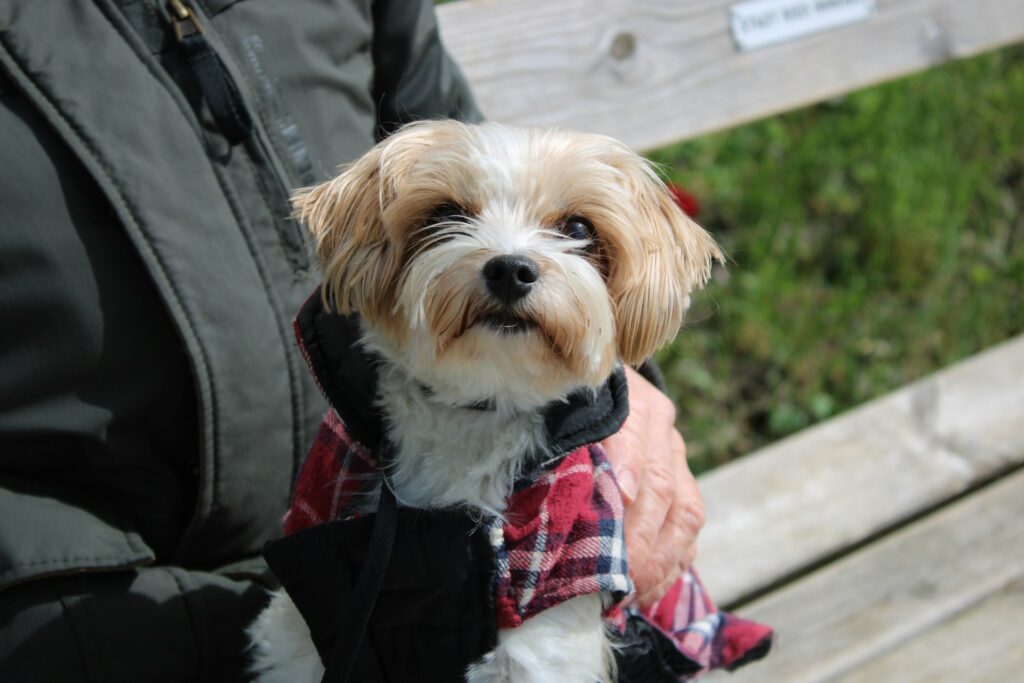
Your dog pauses. Maybe they hover a little closer than usual, or rest their paw gently against you. Their eyes flick toward you, not with panic, but with a question.
Am I okay here?
Toy dogs don’t always express uncertainty in big, obvious ways. Often, it shows up softly. And when it does, what they’re looking for isn’t fixing or fuss—it’s reassurance.
What Reassurance Really Means
Reassurance isn’t about making a big deal out of a situation. It’s not about rushing in or trying to distract your dog from what they’re feeling.
It’s about being steady.
For a toy dog, the world can feel large, fast, and sometimes unpredictable. A change that seems small to us—a new sound, a different routine, an unfamiliar place—can feel like a lot to take in.
Reassurance is your way of saying, you’re safe here, without needing to say anything at all.
It might be your presence beside them. Your calm tone. The way you don’t react sharply when they’re unsure.
It’s subtle, but it matters.
The Small Signs to Look For
Not every dog will show uncertainty in the same way, and with toy dogs, it’s often easy to miss.
You might notice your dog:
- Staying closer to you than usual
- Hesitating before entering a room or space
- Watching something unfamiliar without approaching
- Letting out a soft whine or sigh
- Wanting to be picked up, or simply to sit near you
- Seeming a little restless, even when nothing obvious has changed
These moments aren’t about attention-seeking in the way people sometimes describe. They’re more like check-ins.
Your dog is looking to you for a sense of direction.
When Toy Dogs Tend to Need Reassurance
Some situations come up again and again.
Changes at home can have a bigger impact than we expect. Moving furniture, shifting routines, or even having guests over can alter how a space feels to a small dog.
Loud or sudden noises are another common trigger. What feels like a minor disruption to us can sound intense when you’re closer to the ground and more sensitive to vibrations.
New environments bring a mix of unfamiliar sights, smells, and sounds all at once. Even something as simple as visiting a friend’s house can feel overwhelming at first.
And then there’s separation. Toy dogs often form strong bonds, and while many learn that you’ll always come back, there can still be moments where that distance feels uncertain.
Sometimes, too, what looks like emotional need is actually physical. A tired dog, or one who’s not feeling quite right, may naturally seek more closeness.
How to Offer Reassurance (Gently)
Reassurance doesn’t need to be big to be meaningful. In fact, the quieter it is, the more it tends to help.
Start with yourself. Your dog pays attention to your tone, your movements, even your breathing. If you stay calm, you give them something steady to mirror.
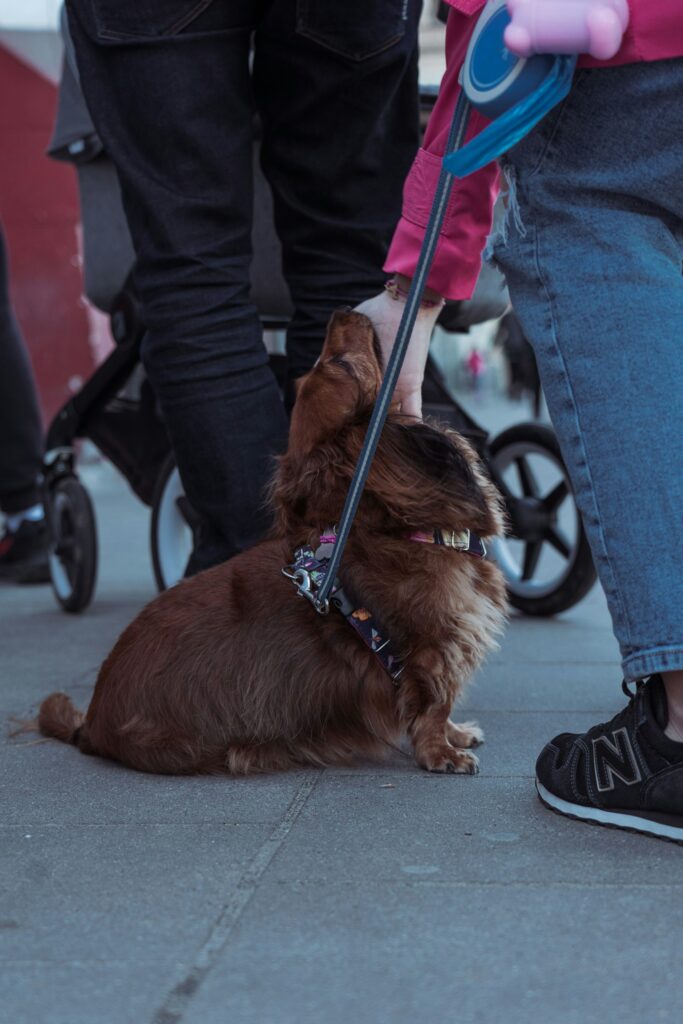
A light touch can go a long way. Resting your hand near them, or letting them lean into you, can be enough. Not every moment calls for picking them up—sometimes just being close is what they need.
Your voice matters too. Soft, familiar, and unhurried. You don’t need to fill the space with words.
And just as importantly, give them choice. Let your dog come closer if they want to. Let them take their time. There’s no rush to “fix” the moment.
What Reassurance Isn’t
It’s easy to think reassurance means stepping in every time your dog feels unsure. But that can sometimes overwhelm them even more.
It’s not about constant lifting, excessive fussing, or reacting as though something is wrong.
And it’s not about removing every moment of uncertainty from their life.
Instead, it’s about helping your dog feel safe within those moments—so they can settle, rather than avoid.
Helping Confidence Grow Over Time
While reassurance in the moment is important, what happens over time matters just as much.
Keeping routines consistent where you can gives your dog something predictable to rely on. Introducing new experiences at a gentle pace allows them to take things in without feeling rushed.
Letting your dog observe before they engage can make a big difference too. Sometimes they just need a moment to understand what they’re looking at.
And perhaps most importantly, listening to their signals—rather than overriding them—helps build trust.
When your dog learns that you notice, and that you respond calmly, they begin to feel more secure on their own.
A Quiet Kind of Trust
There’s something very simple, and very meaningful, in the way a toy dog looks to you in uncertain moments.
It’s not a demand. It’s not a problem to solve.
It’s trust.
They’re asking, in their own quiet way, am I safe here?
And often, the answer is already there—in your presence, your calmness, and the way you stay beside them without needing to make it bigger than it is.
FAQs
Should I comfort my toy dog when they seem scared?
Yes. Calm reassurance can help your dog feel safe. It doesn’t reinforce fear—it supports emotional regulation.
Can too much reassurance make my dog dependent?
It’s more about how you reassure than how much. Calm, steady support builds confidence, while overstimulation can increase anxiety.
Why does my toy dog suddenly seem clingy?
Clinginess can be linked to changes in environment, routine, or emotional state. It’s often your dog seeking reassurance, not misbehaving.
Is it better to ignore anxious behavior?
Ignoring a dog who feels unsure can sometimes increase stress. Gentle reassurance paired with calm behaviour is usually more supportive.