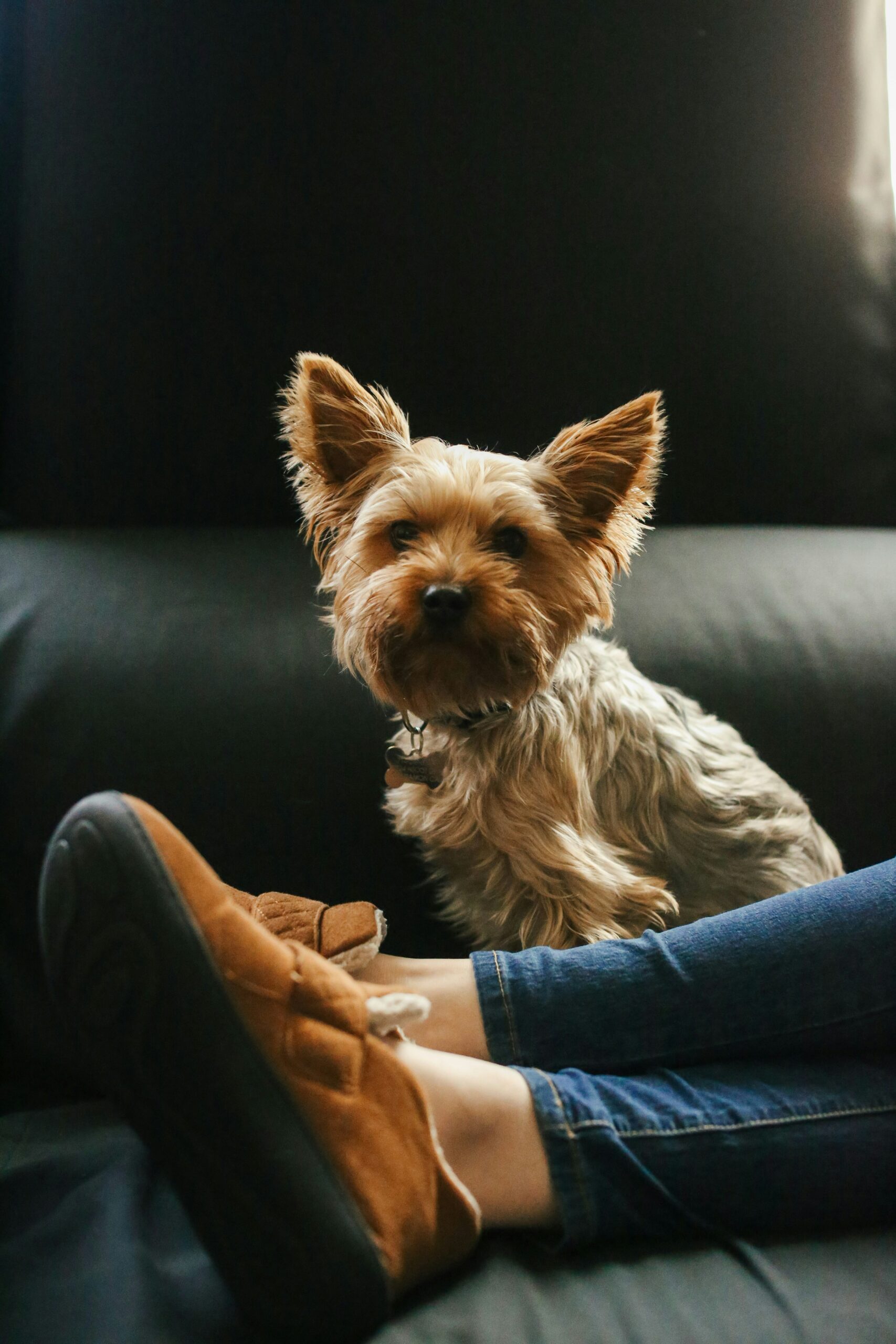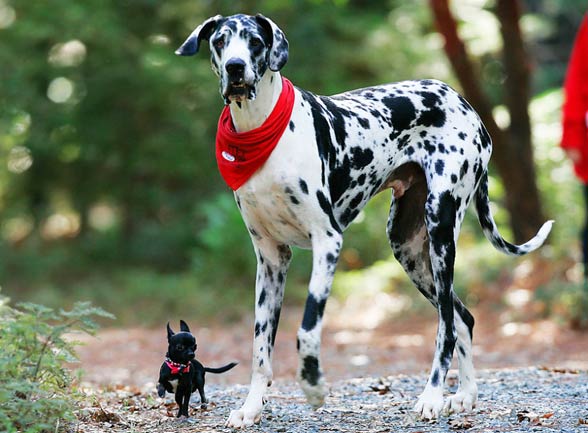

There’s something quietly profound about watching a toy dog grow older.
It doesn’t happen all at once. It shows up in small ways—a slower walk, a longer nap, a softer gaze. The same little dog who once raced across the room now pauses more often, choosing comfort over curiosity.
And somehow, in all that slowing down, the bond deepens.
Because when a toy dog gets older, what they need from us begins to change.
The Subtle Signs of Aging in Toy Dogs
Toy dogs often age gracefully, but the signs can be easy to miss at first.
You might notice your dog sleeping more than usual, or taking longer to settle into their favorite spot. Walks may become shorter, not because they don’t enjoy them, but because their body asks for a gentler pace.
Other changes can include:
- Stiffness when getting up
- Less interest in high-energy play
- Increased sensitivity to cold
- Changes in hearing or vision
- A stronger desire to stay close to you
These shifts aren’t something to fear. They’re simply part of the journey.
What matters most is recognizing them early, so you can meet your dog where they are now—not where they used to be.
Adjusting Your Routine with Care
As your toy dog gets older, routine becomes even more important.
Familiar rhythms provide comfort. Predictable mealtimes, gentle walks, and quiet evenings help your dog feel safe in a body that may not move the way it once did.
You don’t need to overhaul everything. Small adjustments go a long way:
- Swap long walks for shorter, more frequent outings
- Add soft bedding in their favorite resting spots
- Keep their environment warm and draft-free
- Place essentials like water and food within easy reach
It’s not about doing more. It’s about doing things differently.
The Emotional World of an Older Toy Dog
Aging isn’t just physical—it can be emotional, too.
Some older toy dogs become more attached, seeking reassurance in familiar people and spaces. Others may become quieter, content to simply be near you without needing constant interaction.
There can be moments of confusion or sensitivity, especially if hearing or vision begins to change.
What helps most is your presence.
Sitting beside them. Speaking softly. Letting them know they’re still safe, still loved, still understood.
Because even as their world shifts, you remain their constant.

Comfort Becomes Everything
As dogs age, comfort moves to the center of their world.
You may find your toy dog choosing warmth more often—curling into blankets, seeking sunlit patches, or settling close to your body.
Their bed matters more. The floor feels harder. Cold feels sharper.
Creating a comfortable environment doesn’t need to be complicated. A soft blanket, a supportive bed, and a warm corner of the home can make a meaningful difference to how they feel each day.
For more ideas on setting up a supportive space, you might like Creating a Safe Home for a Toy Dog.
These small comforts become their version of well-being.
Gentle Care, Not Constant Correction
Older toy dogs may not respond the same way they once did.
They might forget routines. They may take longer to follow cues. Sometimes, they simply won’t have the energy.
This isn’t stubbornness. It’s change.
Patience becomes more important than ever.
Rather than correcting behavior, it helps to guide gently and adjust expectations. Meet your dog with understanding, not urgency.
They’re still the same dog—just moving through a different stage of life.
The Quiet Joy of Slowing Down
There’s a softness that comes with this stage.
The high-energy moments may fade, but they’re replaced with something deeper. A calm companionship. A quiet presence. A bond that no longer needs to prove itself.
You may find yourself sitting together more often. Sharing space without needing to fill it.
And in those moments, there’s a different kind of joy—one that feels steady, familiar, and deeply comforting.
A Bittersweet Reflection
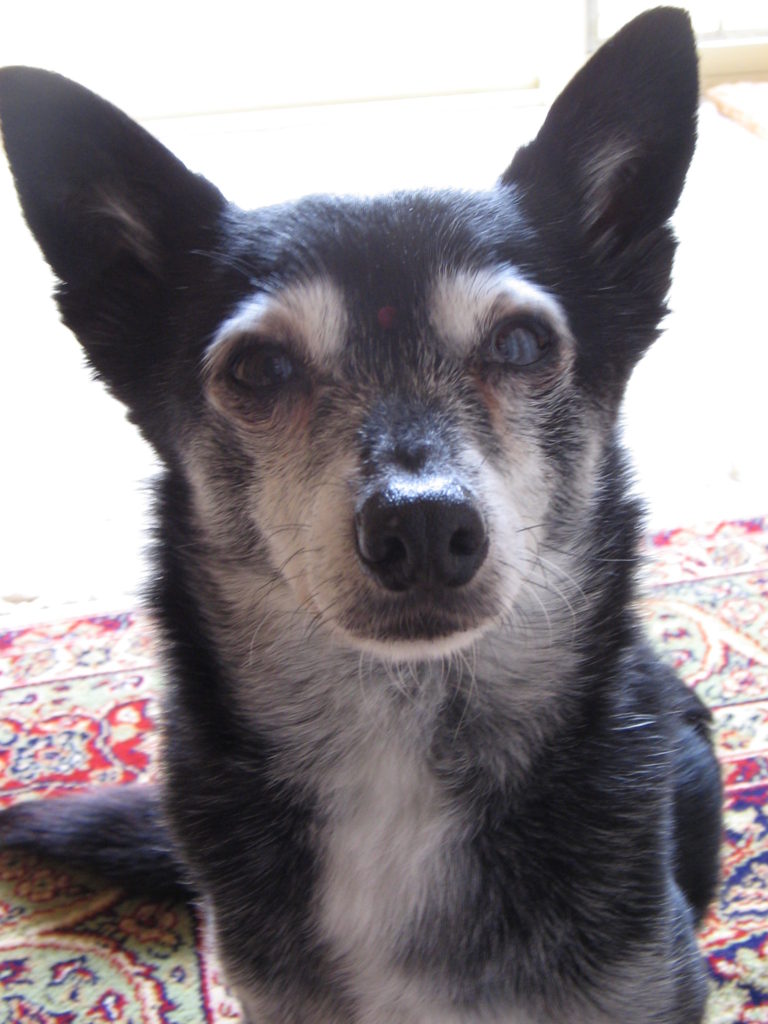
Pepi’s final years taught me that growing older isn’t always a gentle slowing down.
He gradually suffered from dementia, and it affected the way he experienced the world around him. There were periods of confusion and restlessness, changes in his behavior, and times when familiar things no longer seemed quite so familiar.
There were moments when I wondered how much of the Pepi I had always known was still there. And there were other moments—a look, a response, the way he settled close to me—when something familiar seemed to come back.
That was perhaps one of the hardest parts of his growing older. I couldn’t always know what he was experiencing, or how much he understood. I could only try to provide what he needed in that moment.
So caring for Pepi became less about expecting him to be the dog he had always been and more about meeting him wherever he was. Sometimes it meant changing his accessories like raising his food bowls for easier access. And sometimes it simply meant staying close.
There can be a tendency to talk about a dog’s final years as though aging inevitably brings a peaceful, gentle slowing down. Sometimes it does. But sometimes aging is complicated, confusing and difficult—for the dog and for the people who love them.
Pepi’s dementia changed things between us. I don’t think it diminished our bond, but it changed the way I had to love and care for him. In those final years, I couldn’t always bring the old Pepi back to me. All I could do was go to where he was, and be there with him.
If you’d like to spend a little more time with his story, you can find him here.
FAQs
At what age is a toy dog considered a senior?
Many toy dogs are considered seniors around 8–10 years old, though this can vary depending on breed and overall health.
Do toy dogs slow down as they age?
Yes, most toy dogs naturally become less active as they age. They may prefer shorter walks, more rest, and quieter interaction.
How can I keep my older toy dog comfortable?
Provide soft bedding, keep them warm, adjust their routine to suit their energy levels, and ensure easy access to food and water.
Is it normal for older toy dogs to become more attached?
Yes, some older dogs seek more reassurance and closeness as they age, especially if they experience changes in hearing or vision.