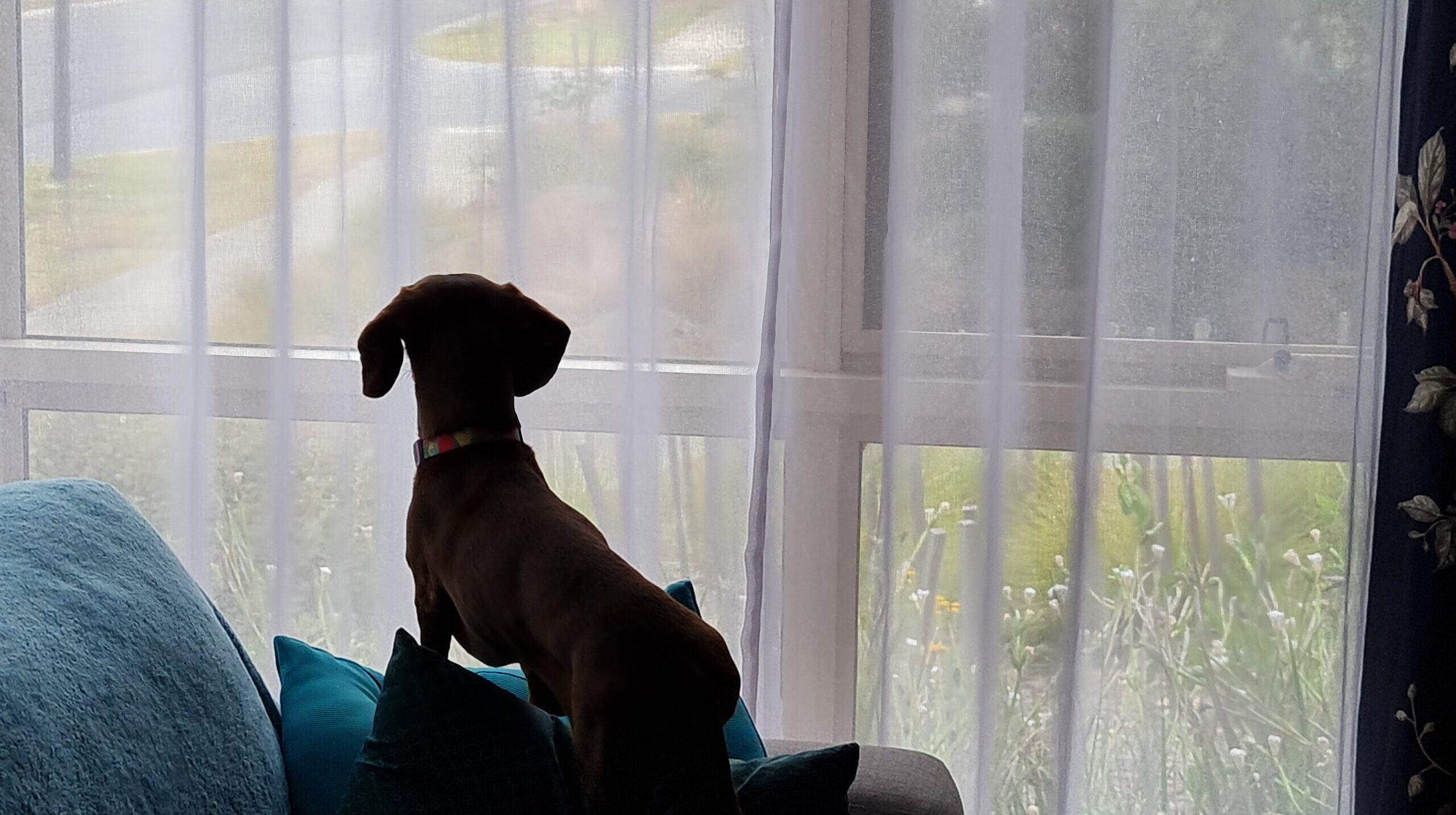

If you share your life with a toy dog, you’ve probably heard the phrase: “Small dogs bark a lot.”
While it’s true that some small breeds can be quite vocal, barking isn’t simply noise for the sake of noise. For dogs, barking is a form of communication. It’s one of the main ways they express their feelings, react to their surroundings, and try to tell us something.
The key to living peacefully with a vocal little companion isn’t trying to stop barking altogether. Instead, it’s about understanding why your dog is barking in the first place. Once you know what your toy dog is trying to communicate, it becomes much easier to respond in a calm and constructive way.
Let’s take a closer look at what barking really means and why toy dogs tend to be particularly expressive.
Barking Is How Dogs Communicate
Dogs don’t have words, but they do have a surprisingly rich language of sounds, body posture, and facial expressions. Barking is simply one part of that language.
Your toy dog may bark to:
- Alert you to something unusual
- Express excitement
- Show fear or anxiety
- Ask for attention
- Respond to other dogs
- Release built-up energy
In many cases, barking is your dog’s way of saying “Hey, something is happening here!”
Because toy dogs are often very attached to their humans, they can also become especially alert to changes in their environment. A passing dog, a knock at the door, or even the sound of footsteps outside may trigger a response.
Understanding the context of the bark is usually the first clue to what your dog is trying to say.
Why Toy Dogs Tend to Bark More
Toy dogs often have a reputation for being louder than their larger cousins, but there are some good reasons for this.
They Were Bred to Be Alert
Many small breeds were historically kept as companions and watchdogs. Their job wasn’t to chase intruders away—it was to let their humans know when something unusual was happening.
Breeds such as Chihuahuas, Yorkshire Terriers, and Pomeranians were valued for their sharp awareness and quick responses. Barking was simply part of the role.
Their World Feels Bigger
A toy dog experiences the world from a much smaller perspective. Everyday sights and sounds can feel more intense when you’re only a few kilograms in size.
Something that seems ordinary to us—like a large dog walking past the window—may feel intimidating or exciting to a tiny dog.
Barking can be a way of saying:
“I see that! Are we safe?”
They Are Highly People-Focused
Toy dogs are often deeply bonded to their humans. Because of this close connection, they tend to be very responsive to our movements, voices, and routines.
If they sense something unusual or want our attention, barking can become their quickest way to get a response.

Different Types of Barking (And What They Mean)
Not all barks are the same. Once you start paying attention, you’ll notice that different situations produce very different sounds.
Alert Barking
This is the classic “someone’s at the door” bark.
Alert barking usually happens when a dog notices something unfamiliar—like a visitor, a delivery driver, or a dog walking past the window.
These barks are often sharp and repetitive. Your dog isn’t necessarily upset; they’re simply announcing that something has caught their attention.
Excited Barking
Excited barking often happens during playtime or when you arrive home.
You may hear it when you pick up the leash, prepare dinner, or bring out a favourite toy.
This type of barking is usually accompanied by wagging tails, bouncing movements, and bright eyes.
Fearful or Defensive Barking
When a dog feels nervous or threatened, barking can act as a warning signal.
In these cases, barking may be combined with stiff posture, raised hackles, or backing away. Your dog is essentially saying:
“Please keep your distance.”
Toy dogs can be particularly sensitive in unfamiliar environments or around larger animals.
Attention-Seeking Barking
Sometimes barking is simply a request.
Your dog may bark because they want:
- Playtime
- Food
- A walk
- Your attention
If barking consistently gets a response, dogs quickly learn that it works.
When Barking Becomes a Habit
Occasional barking is completely normal. However, when barking becomes constant or difficult to interrupt, it can turn into a habit.
This often happens when a dog:
- Has excess energy
- Feels bored or under-stimulated
- Experiences separation anxiety
- Has unintentionally been rewarded for barking
Toy dogs are intelligent and observant. If barking results in attention, treats, or excitement, they may repeat the behaviour simply because it works.
The good news is that barking habits can often be improved through training, routine, and mental stimulation.
Helping Your Toy Dog Bark Less
Rather than trying to silence your dog, the goal is to teach them when barking is appropriate and when it isn’t necessary.
Some helpful strategies include:
Provide regular exercise and enrichment
Even small dogs need daily activity. Walks, puzzle toys, and short training sessions can help release energy and reduce boredom.
Avoid accidentally rewarding barking
If your dog barks for attention and immediately receives it, they learn that barking is effective.
Instead, wait for a moment of quiet before giving attention or rewards.
Teach calm behaviours
Training cues such as “quiet,” “settle,” or “go to your bed” can give your dog a clear alternative to barking.
Manage triggers
If your dog barks at every passing dog through the window, simple changes—like closing curtains or using frosted window film—can make a big difference.

Listening to What Your Dog Is Saying
At its core, barking isn’t a problem behaviour. It’s communication.
When we take the time to understand why our dogs bark, we begin to see that those little voices are often expressing excitement, curiosity, concern, or a desire to connect.
For toy dogs especially, barking is often part of their lively personalities. With patience, training, and understanding, that voice can become something we learn to interpret rather than simply silence.
After all, sometimes our tiny companions are simply saying:
“I’m here. And I have something to tell you.”