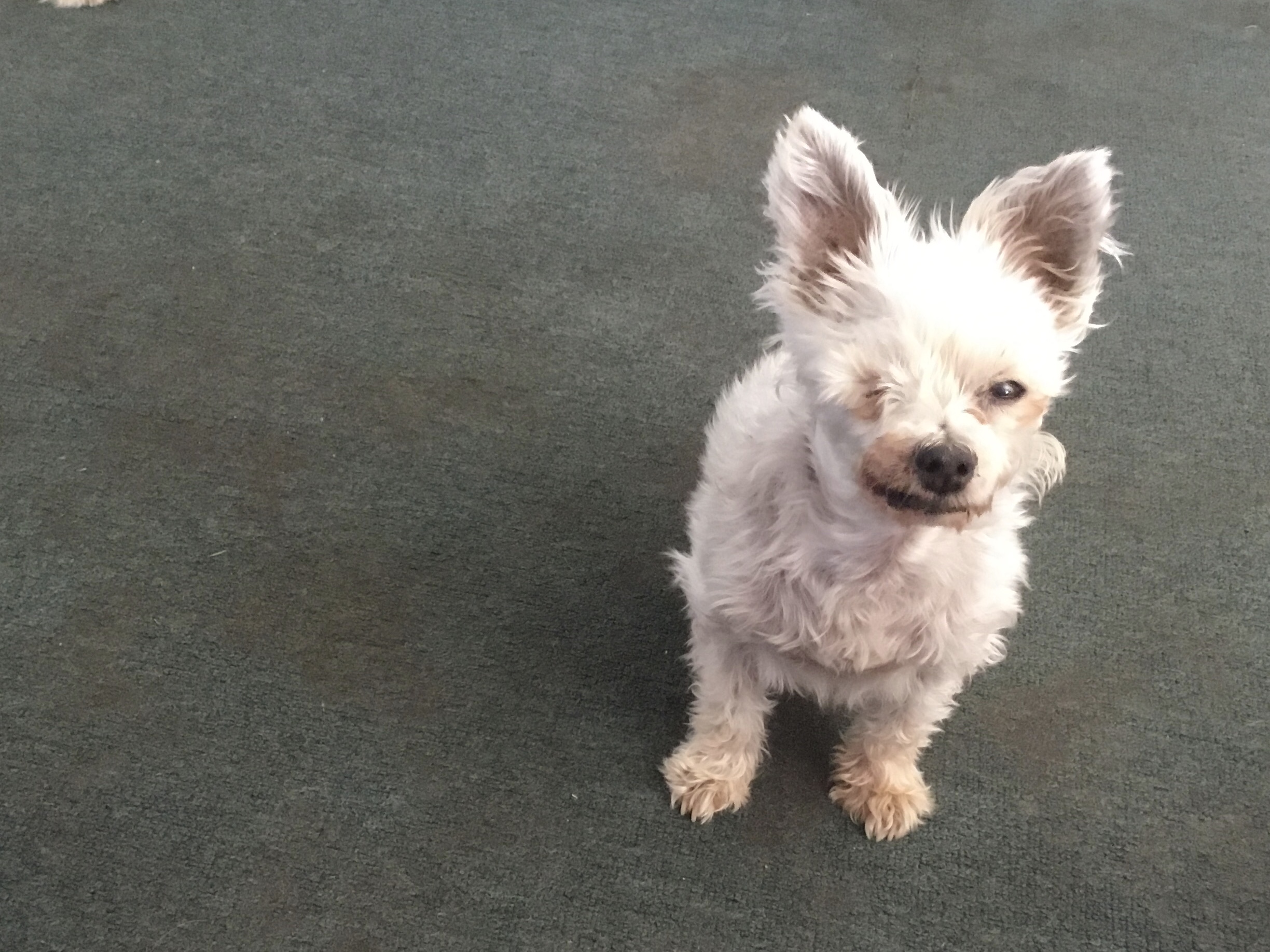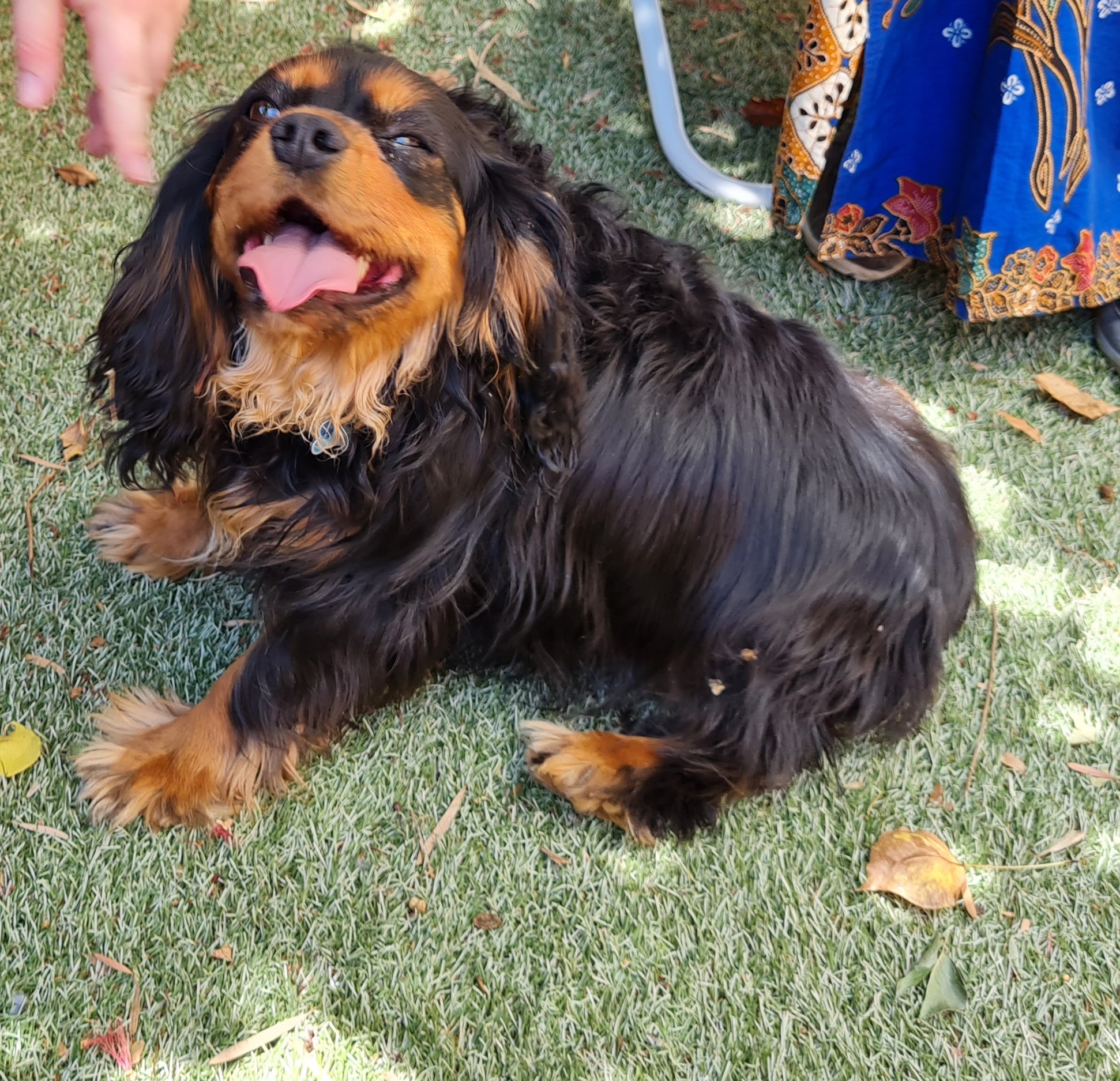
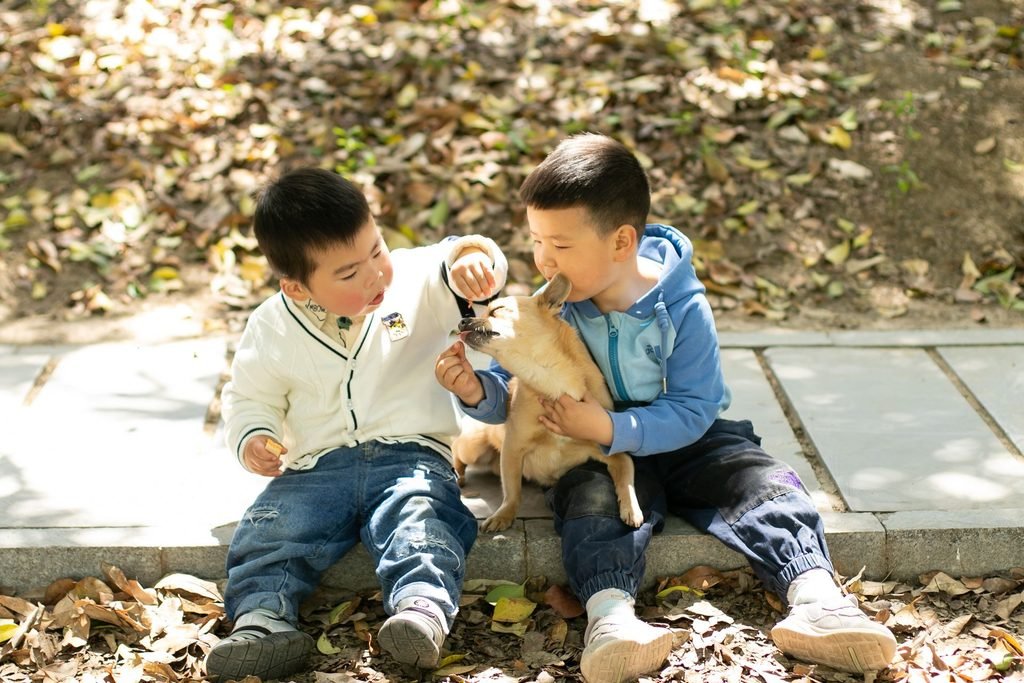
Small dogs and children can form some of the most beautiful friendships. Growing up alongside a dog can teach children compassion, patience, responsibility, and the joy of caring for another living being.
For many children, loving a dog comes naturally. They want to cuddle them, play with them, carry them around, and include them in whatever they are doing.
With small dogs, these expressions of affection can be particularly tempting. Their size makes them easy to approach, and their appearance often invites physical affection.
But what feels like love to a child may feel quite different to a dog.
One of the most valuable things we can teach children is that affection doesn’t always need to involve physical contact. Sometimes, building a closer relationship with a small dog begins with giving them a little more space.
Seeing the World From a Small Dog’s Perspective
Imagine being a small dog in a household with young children. Feet move quickly around you, hands reach down unexpectedly, and the atmosphere can change from quiet to energetic within seconds.
Even everyday family activities can feel overwhelming when you experience them from so close to the ground.
Small dogs also have less control over certain interactions. They can be picked up or carried away from a comfortable spot with very little effort.
While these actions are rarely intended to cause distress, they can affect a dog’s sense of security, particularly when they happen frequently or without warning.
Helping children understand how small dogs experience the world is an important starting point for building a relationship based on mutual trust.
Being Gentle Is Only Part of the Picture
We often tell children to be gentle with dogs. It’s good advice, but it doesn’t tell the whole story.
A child can hug a dog gently without realizing that the dog doesn’t enjoy being hugged. They can stroke a dog softly while the dog is trying to rest.
The issue isn’t necessarily how the child is interacting with the dog, but whether the dog wants that interaction at all.
Gentleness is about how we approach a dog. Respect is about recognizing when not to.
By teaching children to consider their dog’s preferences, we help them move beyond simply being careful to becoming more observant and considerate companions.
Learning to Listen Without Words
Children are often remarkably receptive to learning how animals communicate, particularly when we explain what to look for.
A small dog may express discomfort by:
- Turning their head away
- Licking their lips
- Yawning when they are not tired
- Flattening their ears
- Becoming unusually still
- Tucking their tail
- Moving away or seeking somewhere to hide
These behaviors need to be understood in context, but they can offer important clues about how a dog is feeling.
Rather than simply telling a child to leave the dog alone, we can explain why.
Perhaps the dog has turned away because they have had enough attention. Perhaps they have moved to their bed because they want to rest.
Learning to recognize small dog body language helps children understand that communication doesn’t always require words.
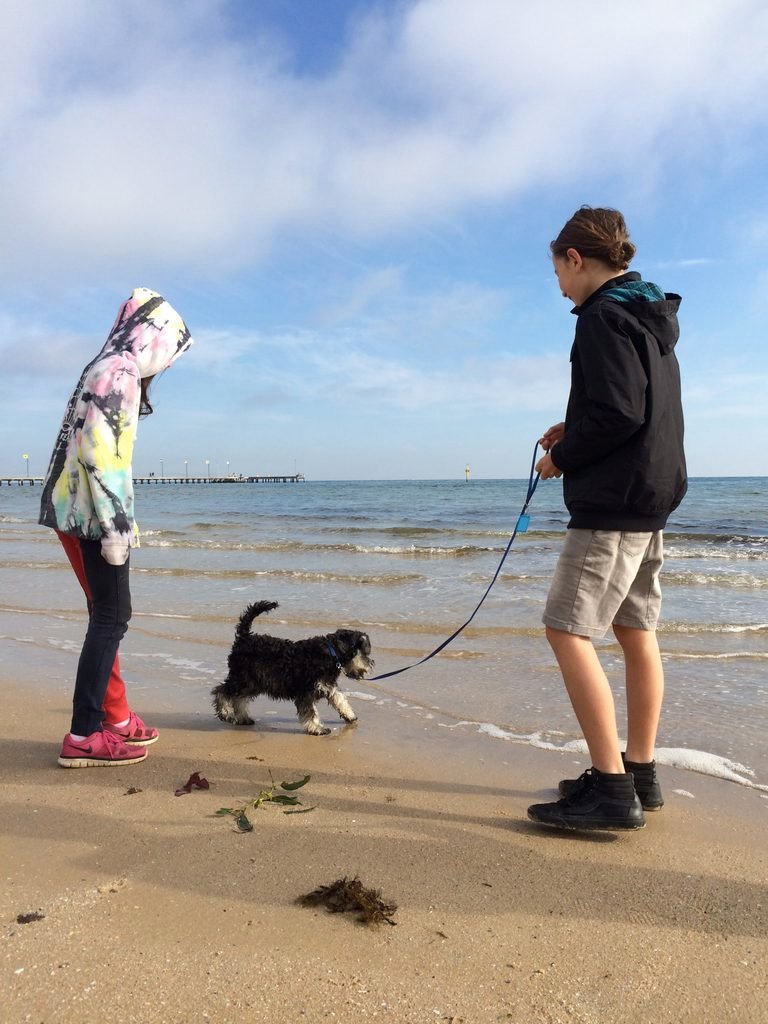
Letting the Dog Take the Lead
Not every interaction needs to begin with a child approaching a dog.
Encourage children to sit quietly and allow their small companion to come to them. A dog may choose to settle beside them, initiate play, or simply investigate what they are doing.
During petting, children can also learn to pause after a few seconds and observe the dog’s response. If the dog actively seeks further contact, they may be inviting more attention. If they turn or move away, it’s time to stop.
It’s a simple practice, but it teaches an important lesson: affection is something we share, rather than something we impose.
The same principle applies to picking up a small dog. Whenever possible, dogs should be allowed to move around independently. Young children should not lift dogs, and older children should only do so when they can handle them safely, with adult guidance and when the dog is comfortable.
Giving small dogs more choice in everyday interactions can help them feel more secure around the people they live with.
Making Room for Quiet Time
A busy family home can be an enjoyable environment for a small dog, but even the most sociable dogs need time away from activity.
A comfortable bed in a quiet corner or a designated retreat gives a dog somewhere to go when they need a break.
Children should understand that when their dog chooses this space, they are not inviting company.
It’s equally important to avoid disturbing a dog who is sleeping, eating, chewing, feeling unwell, or recovering from an injury.
These boundaries can become a natural part of family life rather than a collection of rules that children need to remember.
Just as we encourage children to respect another person’s need for privacy or rest, we can teach them to extend the same consideration to their dog.
Finding Other Ways to Enjoy Each Other’s Company
There is much more to a child’s relationship with a small dog than cuddling and playing.
Some of the most rewarding interactions involve relatively little physical contact.
Depending on the child’s age and the dog’s preferences, they might enjoy:
- Joining family walks and allowing the dog time to sniff and explore
- Helping prepare simple mental enrichment activities
- Participating in supervised, reward-based training
- Playing gentle scent games
- Reading or drawing while the dog relaxes nearby
These shared experiences give children opportunities to discover what their dog enjoys, rather than assuming that their dog enjoys the same things they do.
They also allow companionship to develop without the expectation of constant interaction.
When a Small Dog Says Enough
Sometimes, despite our best efforts, a dog may growl when they feel uncomfortable.
It’s important that children understand this is a signal to stop interacting, give the dog space, and seek help from an adult.
A growl is a form of communication and should not be punished. Suppressing a dog’s warning signals does not resolve the discomfort behind them.
Instead, adults should calmly end the interaction and consider what may have caused the dog to feel uneasy.
If a dog frequently displays signs of fear or defensive behavior around children, seek advice from a veterinarian or qualified reward-based behavior professional.
The Role of Adults in Building Trust
Children cannot be expected to interpret every signal a dog gives them, and the responsibility for safe interactions ultimately rests with adults.
Active adult supervision is essential whenever young children and dogs spend time together. When this isn’t possible, physical separation using a baby gate or separate rooms provides a safer arrangement for everyone.
Adults also have an important role in modeling respectful behavior.
If we regularly pick up our small dogs without considering their preferences, disturb them while they are resting, or dismiss their attempts to move away, children are likely to adopt similar habits.
The way we interact with our dogs is often a more powerful lesson than anything we say.
Allowing the Relationship to Develop Naturally
Every small dog has a different level of comfort around children.
Some actively seek their company, while others prefer a quieter presence. Rescue dogs may need more time to develop trust, and older dogs may become less comfortable with energetic play or physical handling.
These preferences can also change throughout a dog’s life.
There is no need to measure the strength of a child’s relationship with their dog by how often they cuddle, play, or sit together.
A small dog who feels comfortable enough to relax in the same room as a child is already sharing something worthwhile.
A Gentle Reflection
Giving a small dog space doesn’t mean being less affectionate. It means recognizing that a good relationship makes room for the needs of both individuals.
For children, learning to respect a dog’s boundaries is an early opportunity to understand that others may experience the world differently from them.
For small dogs, it means having greater freedom to participate in family life in ways that feel comfortable and safe.
And when affection is offered rather than expected, there is more opportunity for trust to develop naturally.
Frequently Asked Questions
Are small dogs good with children?
Many small dogs can develop wonderful relationships with children. However, compatibility depends on the dog’s temperament, past experiences, health, and the child’s behavior. Respectful interactions, appropriate adult supervision, and opportunities for the dog to retreat are important for building trust.
How can I teach my child to respect a small dog’s boundaries?
Encourage your child to let the dog approach voluntarily, recognize signs of discomfort, and stop interacting when the dog moves away. Teach them that dogs need uninterrupted time to eat, sleep, and relax, just as people do.
Is it OK for children to hug small dogs?
Many dogs find hugs restrictive, even when they are gentle. Rather than encouraging children to hug their small companions, teach them to offer gentle affection when the dog actively seeks contact. Sitting quietly together can be an equally rewarding experience.
How do I know if my small dog is uncomfortable around children?
Signs of discomfort may include lip licking, turning away, flattened ears, a tucked tail, freezing, hiding, or growling. Recognizing these signals early and giving the dog space can help prevent an interaction from becoming more stressful.
Should children be allowed to pick up small dogs?
Young children should not pick up small dogs because of the risk of accidental injury. Older children should only do so when they can safely support the dog’s body, with adult guidance and when the dog is comfortable being handled.
How can children bond with small dogs without cuddling them?
Children can build meaningful relationships with small dogs through supervised walks, reward-based training, scent games, and enrichment activities. Simply spending quiet time together can also help develop familiarity, confidence, and trust.