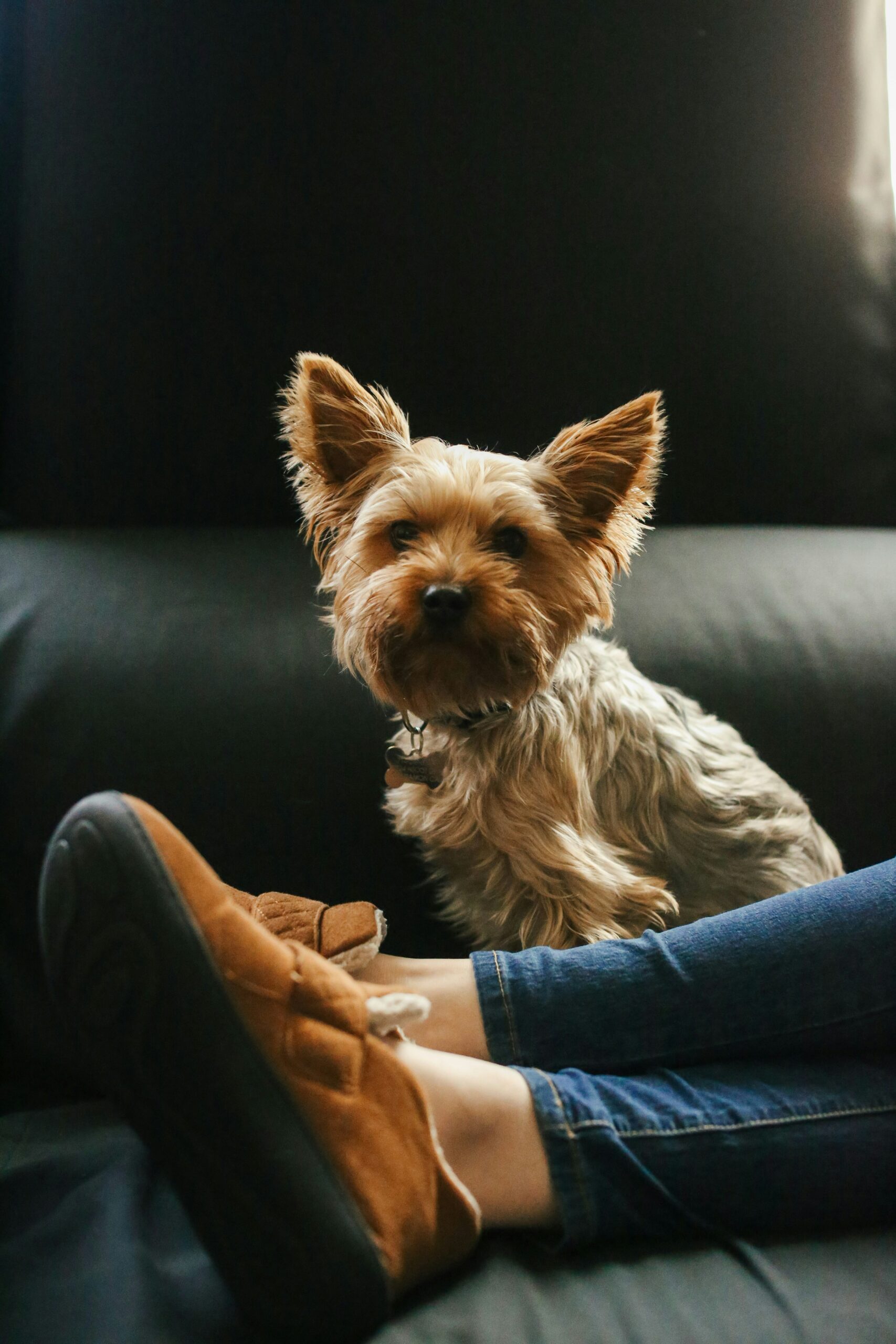
Understanding small dog body language isn’t about memorizing a list of signs. It’s about paying attention.
Long before a small dog barks, growls, pulls away or tries to escape, they may already be communicating through their eyes, ears, tail, posture and movement.
The challenge is that these signals can be subtle, quick or easily overlooked — particularly when the dog is small enough for us to simply pick up or move.
But once you start noticing the details, a whole new layer of communication opens up.
And that can change the relationship you have with your dog.
Why Small Dog Body Language Matters
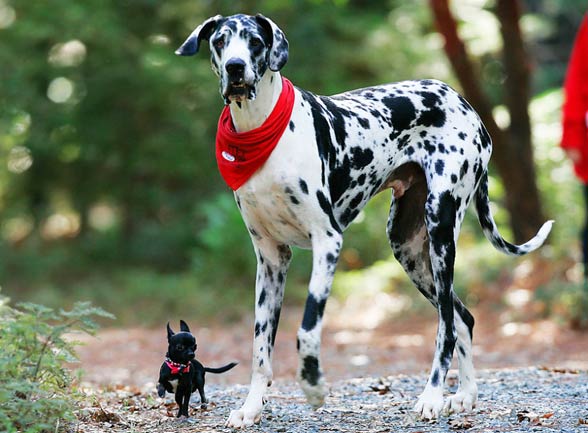
Small dogs move through a world that is physically much bigger than they are.
People bend over them. Hands reach down towards them. They are picked up and carried. Children may want to cuddle them. On a walk, they can suddenly find themselves face-to-face with a dog several times their size.
That doesn’t mean small dogs experience these situations in the same way. But it does give us a good reason to pay attention to what an individual dog is telling us.
A pause. A shift in posture. A slight turn of the head.
These aren’t necessarily random behaviors. They can be part of a dog’s communication.
Dogs use combinations of body posture, facial expressions, movement and vocalizations to communicate, and behavior experts recommend looking at the whole dog and the situation, rather than interpreting a single signal on its own.
That’s particularly important with small dogs. When we can physically override what a little dog is doing — picking them up rather than waiting for them to move, for example — it can be easy to miss what they were communicating in the first place.
What Does a Relaxed Small Dog Look Like?
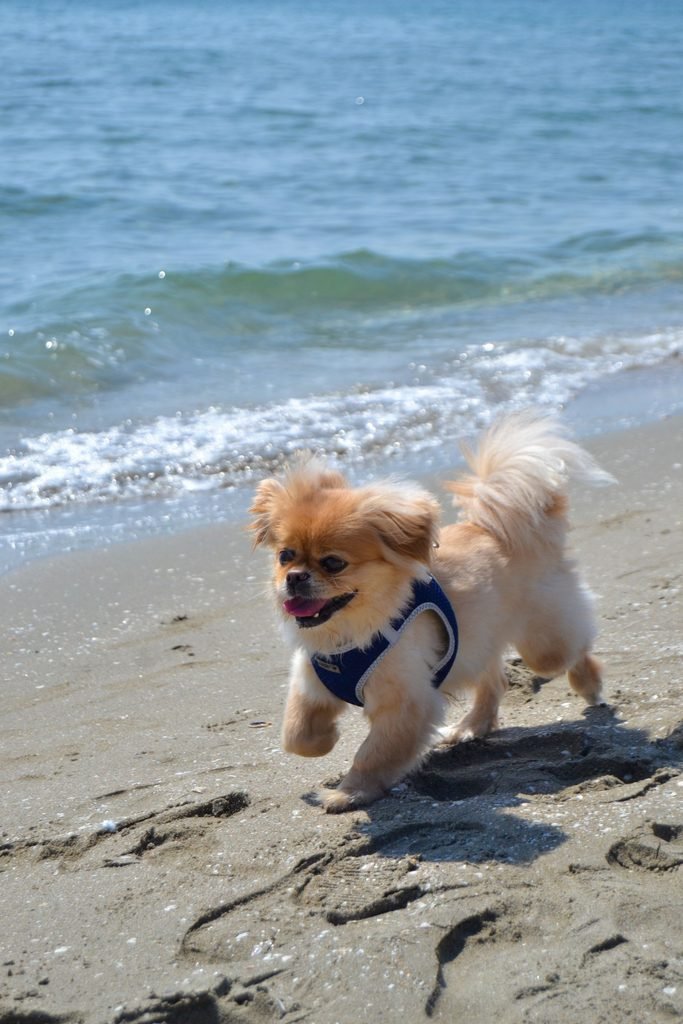
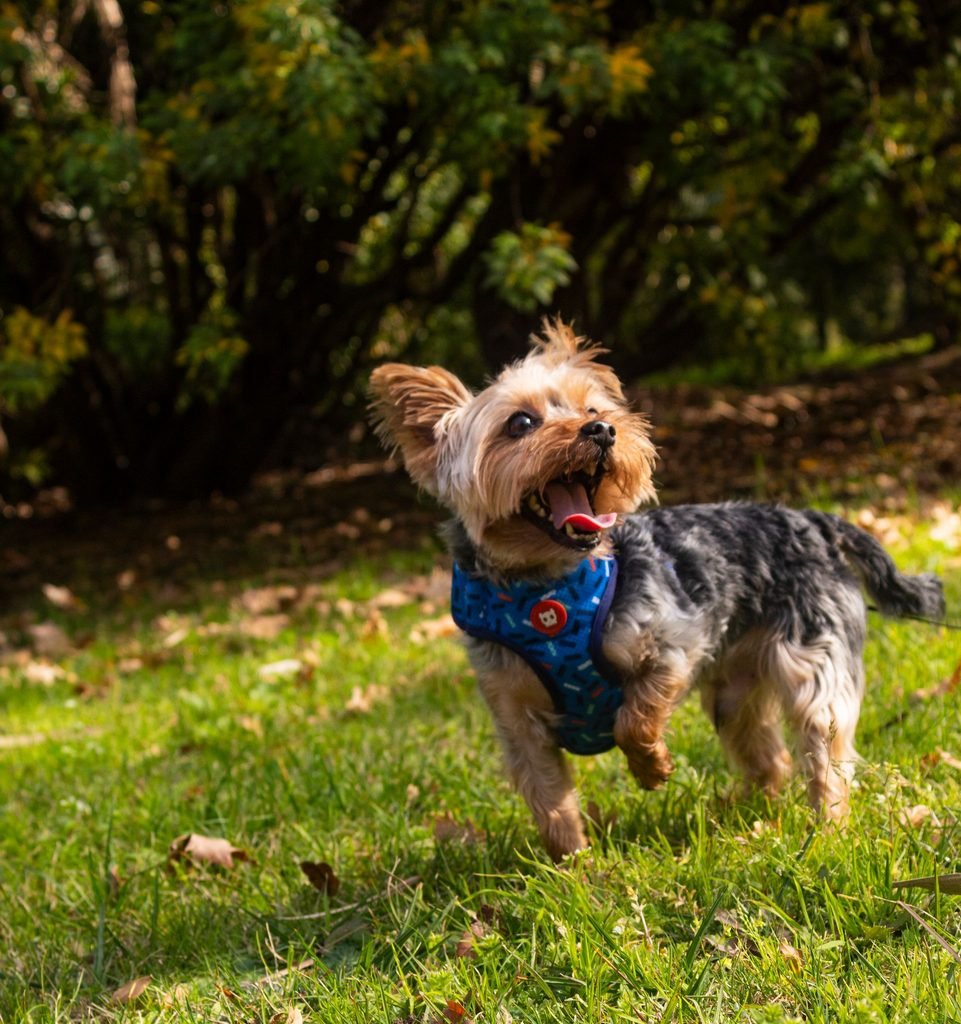
When a dog feels comfortable, the overall impression is usually one of softness rather than tension.
You might notice:
- a loose, relaxed body
- soft eyes and a relaxed expression
- ears sitting in their natural position
- a relaxed mouth
- easy, fluid movement
- a tail held naturally for that particular dog
- willingness to approach, rest, play or explore.
The RSPCA UK similarly describes a relaxed dog as having a relaxed body, soft or bright eyes, naturally positioned ears and a relaxed mouth.
The important thing is to learn what normal looks like for your dog.
A Chihuahua’s neutral ear and tail position, for example, won’t necessarily look like those of every other breed. Rather than relying on a diagram of the “perfectly relaxed dog,” get to know your dog’s usual posture when they’re genuinely at ease.
Look at the Whole Dog, Not Just One Signal
This is perhaps the most useful rule of reading small dog body language.
One gesture rarely tells the whole story.
A dog might lick their lips because they’re uncomfortable — or because they’ve just eaten.
They might yawn because they’re stressed — or because they’re tired.
They might lift a paw because they’re uncertain — or because they’ve learned to offer a paw.
And a wagging tail certainly doesn’t automatically mean I’m happy.
Instead, look at several things together:
What is the body doing?
Loose or stiff? Moving freely or frozen? Leaning towards something or trying to move away?
What does the face look like?
Are the eyes soft or staring? Is the mouth relaxed or tightly closed?
What are the ears doing?
Are they in their usual position, pulled backwards or intensely focused forward?
What is happening around the dog?
Has someone approached? Is another dog nearby? Are they being handled? Is something unfamiliar happening?
Body language makes much more sense when you read the dog in context.
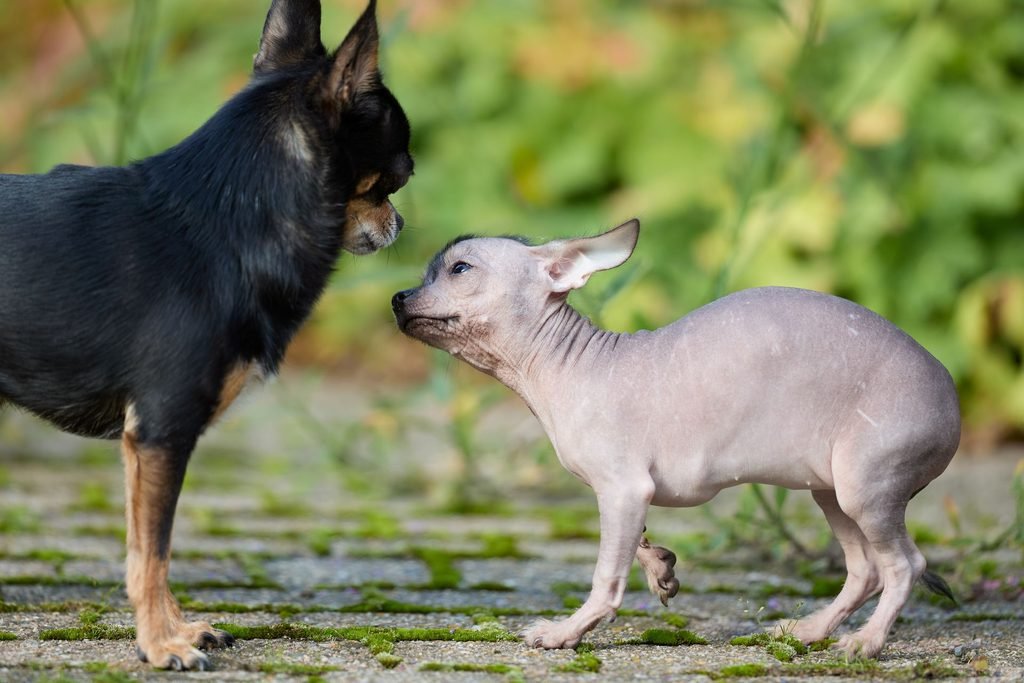
Your Small Dog’s Face Can Tell You a Lot
The face can reveal some of the smallest changes.
Eyes
Relaxed dogs often have soft-looking eyes. A prolonged hard stare can signal tension, while deliberately looking away may occur when a dog is uncomfortable with an interaction.
You may also notice what’s commonly called “whale eye” — when more of the white of the eye becomes visible as the dog turns their head while keeping their eyes on something. This can occur when a dog is anxious or uncomfortable.
Ears
Ear position can also change with emotion.
Ears pulled backwards may accompany worry or uncertainty, while ears pushed forward can indicate heightened attention or arousal. But breed and individual anatomy matter enormously here, so compare what you’re seeing with your dog’s normal ear position.
Mouth
Watch the mouth too.
Quick tongue flicks or lip licking when there’s no food around can occur when a dog feels uncomfortable or anxious. Yawning can also appear during stressful situations.
Again, none of these behaviors should be interpreted in isolation.
The Quiet Signs of Uncertainty
This is where many signals are easily overlooked.
A small dog who isn’t comfortable may initially do very little.
You might see:
- turning the head away
- avoiding eye contact
- lip or nose licking
- yawning
- a brief pause or freeze
- ears moving backwards
- lifting a front paw
- lowering the body
- tucking the tail between their legs
- moving away
- suddenly becoming interested in sniffing the ground.
Some of these behaviors can have completely ordinary explanations. What makes them meaningful is the combination of signals and the context in which they occur.
For example, imagine someone reaches towards your dog and your dog turns their head away, closes their mouth, becomes still and shifts their weight backwards.
Taken together, that’s much more informative than the head turn alone.
It may be time to stop and give them some space.
Freezing Deserves Special Attention
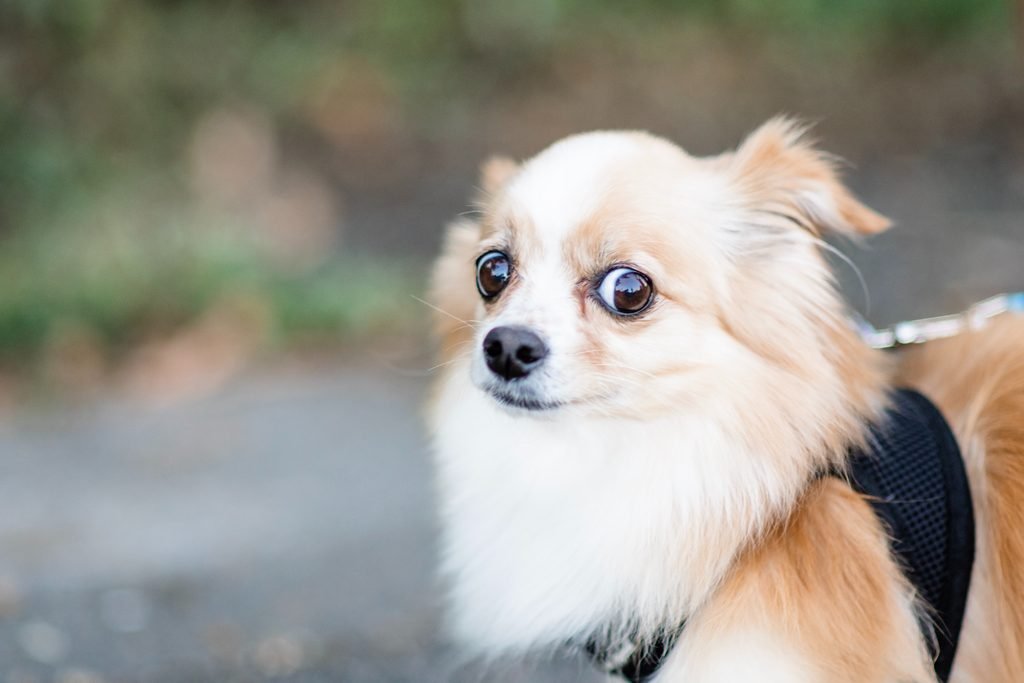
A dog who suddenly becomes very still isn’t necessarily calm.
Freezing or becoming rigid can be associated with significant stress, particularly when it occurs during an interaction the dog appears unable or unwilling to leave.
This matters with toy dogs because stillness can make them easier to handle.
A little dog who goes motionless when picked up might appear to be accepting the interaction. Instead of assuming that, look at the rest of their body.
Are they soft and relaxed?
Or stiff, wide-eyed and waiting for the experience to end?
When a Small Dog Feels Overwhelmed
If a dog becomes increasingly uncomfortable, their signals may become much more obvious.
You might see:
- a tense or rigid body
- wide eyes or whale eye
- a tightly tucked or unusually still tail
- backing away or hiding
- growling
- barking
- showing teeth
- snapping.
At this point, don’t think of the behavior simply as something that needs to be corrected.
First ask:
What is my dog trying to communicate?
A growl, for example, can be a warning that a dog is uncomfortable, frightened, in pain or wants more space.
Give them that space where you safely can.
If a previously comfortable dog suddenly becomes unusually sensitive to handling, growls when touched or shows other unexplained behavioral changes, it’s also worth talking to your veterinarian. Pain and other health problems can affect behavior.
Are Small Dogs Really “Snappy”?
Small dogs are sometimes described as naturally “yappy,” “snappy” or badly behaved.
Those labels don’t tell us very much about why a dog is behaving that way.
Imagine a small dog who doesn’t want to be picked up. Before growling or snapping, you might see them turn away, move backwards, become stiff or try to leave.
If we respond to those earlier signals, the dog may not need to communicate more forcefully.
That doesn’t mean every growl or snap results from a human missing earlier warnings, nor should snapping simply be ignored. But looking at what happened before the behavior can tell us far more than labeling the dog difficult.
The same principle applies to barking, which we explore in [Why Small Dogs Bark and What It Really Means].
A Wagging Tail Doesn’t Always Mean a Happy Dog
This deserves its own section because it’s one of the most common misunderstandings about dog body language.
A wag tells us that something is happening emotionally. It doesn’t, by itself, tell us whether that emotion is happiness.
Look at:
- Speed: Is it an easy wag or a rapid, twitchy movement?
- Height: Is the tail sitting naturally, unusually high or tucked low?
- Stiffness: Is the tail loose or rigid?
- The rest of the body: Is your dog soft and wiggly or tense and still?
The American Kennel Club notes that tail wagging can reflect different forms of emotional arousal and recommends interpreting the tail alongside posture, eyes, ears, face and the situation itself.
So rather than asking, Is the tail wagging?, ask:
What is the whole dog telling me?
Learning Your Dog’s Individual Language
General guides are useful, but every dog has their own way of expressing themselves.
Some dogs are wonderfully expressive. Others are quiet observers.
This is where time and presence matter most.
Watch your dog during ordinary moments — resting at home, playing, walking, meeting people, encountering other dogs and being handled.
Over time, you’ll begin to recognize:
- what relaxed looks like for your dog
- what excitement looks like
- what hesitation looks like
- what they do when they want more space
- what happens just before they become overwhelmed.
You’re not trying to analyze every ear twitch.
You’re simply learning to notice when your dog’s body changes.
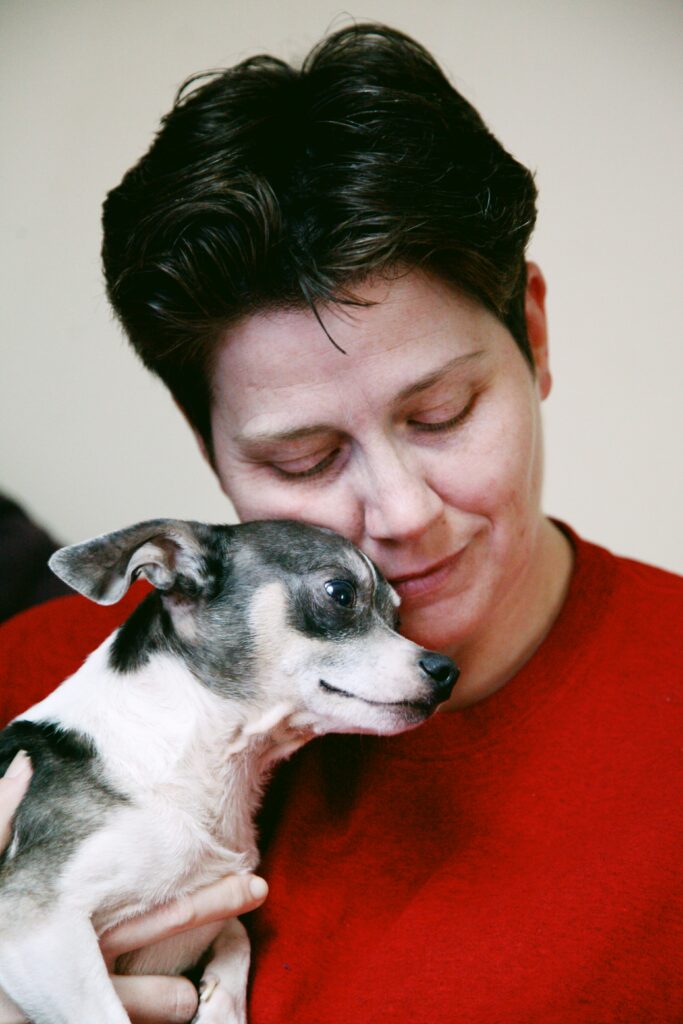
Being Present Changes the Relationship
Understanding small dog body language isn’t about memorizing signs.
It’s about becoming a better observer.
Sometimes a lip lick is just a lip lick. Sometimes a yawn really does mean your dog is tired. That’s why context, the whole body and your knowledge of your individual dog matter.
But when we pay attention to those small changes, we give our dogs an opportunity to be heard before they need to communicate more loudly.
For a small dog living in a very human-sized world, that matters.
The more closely we listen to the quiet signals, the less our dogs may need to shout to be heard.
FAQs
What are common signs of stress in a small dog?
Possible signs include lip licking, yawning, looking away, pinned-back ears, a tucked tail, panting, pacing, freezing and showing the whites of the eyes. Look for combinations of signals and consider what is happening around your dog.
Why does my small dog suddenly freeze?
Freezing or sudden stiffness can indicate that a dog is experiencing significant stress or feels unable to cope comfortably with what’s happening. Give the dog space where possible and look at their other body-language signals.
Why does my small dog snap?
Snapping can occur for several reasons, including fear, discomfort, pain, guarding or wanting an interaction to stop. Look at what happened beforehand rather than assuming the dog snapped “for no reason.” A new or unexplained sensitivity to touch warrants veterinary advice.
Is a wagging tail always a sign of happiness?
No. Tail wagging indicates emotional arousal and needs to be interpreted alongside tail position, speed, stiffness, the rest of the dog’s body and the situation.
How can I get better at reading my small dog’s body language?
Observe your dog when they’re relaxed first. That gives you a baseline against which you can notice changes in their posture, face, ears, tail and movement. Rather than interpreting one gesture, look for several signals occurring together.